Blog
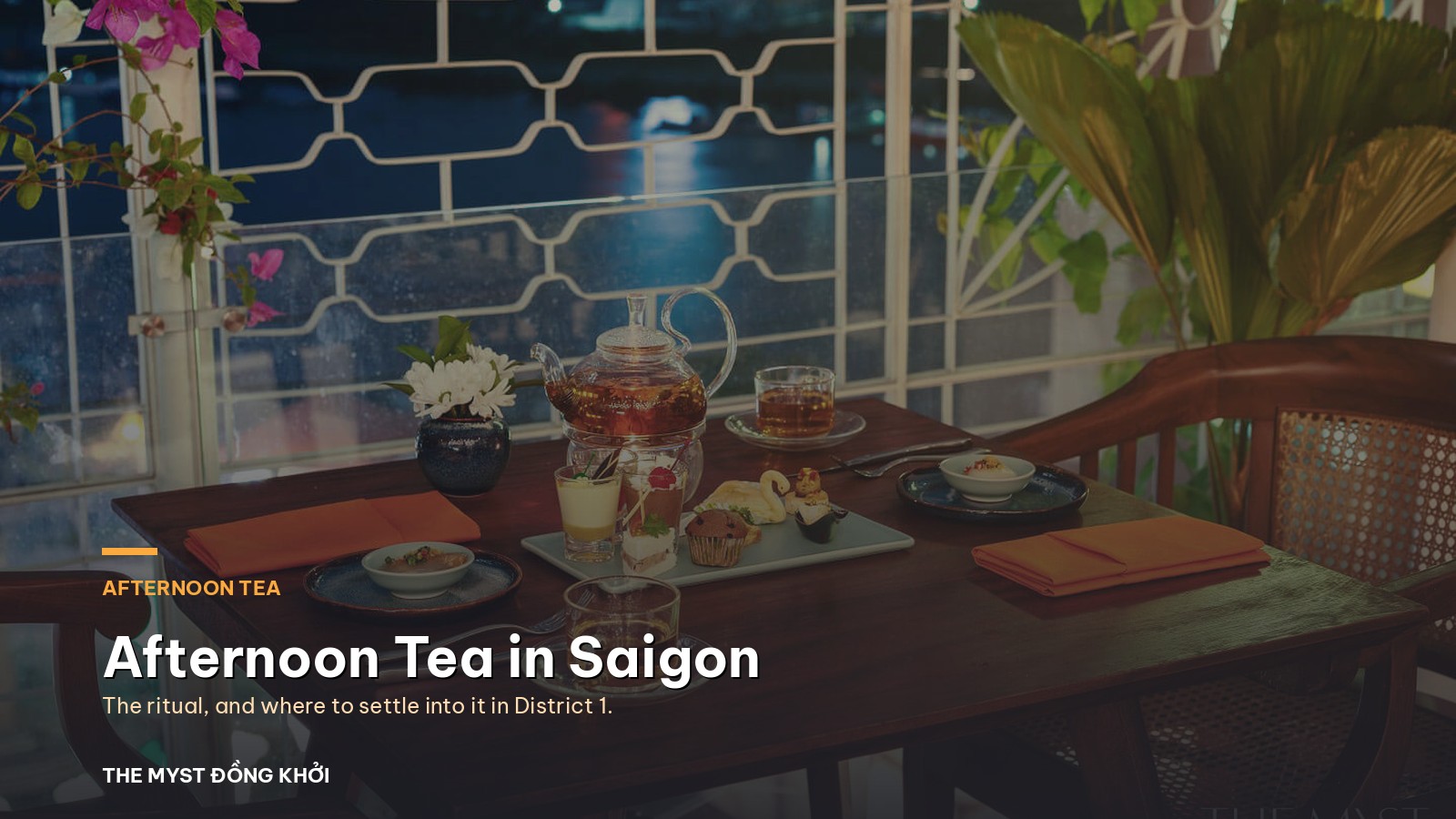
There is a gentle hour in Saigon, somewhere between lunch and dusk, when the heat begins to ease and the city seems to slow. It is the natural hour for afternoon tea, a pot poured without hurry, a tier of savouries and sweets, and a little time set aside for good company. This guide looks at what afternoon tea really is, how it differs from high tea, the occasions it suits best, and where to settle into the ritual in the heart of District 1.
At a glance. Afternoon tea is a light, unhurried spread of tea with savouries and sweets, taken in the mid afternoon. In Saigon it often carries a local accent and is known as trà chiều. It suits a relaxed catch up, a family treat or a quiet celebration. At The Myst Dong Khoi it is served each afternoon at The Nest, the twelfth floor restaurant overlooking the city. A table is best reserved ahead.
A guide to Afternoon tea Saigon
What afternoon tea really is
Afternoon tea began as a private remedy for a long English afternoon. In the 1840s Anna, Duchess of Bedford, is said to have grown hungry in the stretch between an early lunch and a late dinner, and took to asking for tea, bread and cake in the afternoon. What started as a quiet habit soon became a social ritual, and the shape it took then is still recognisable today.
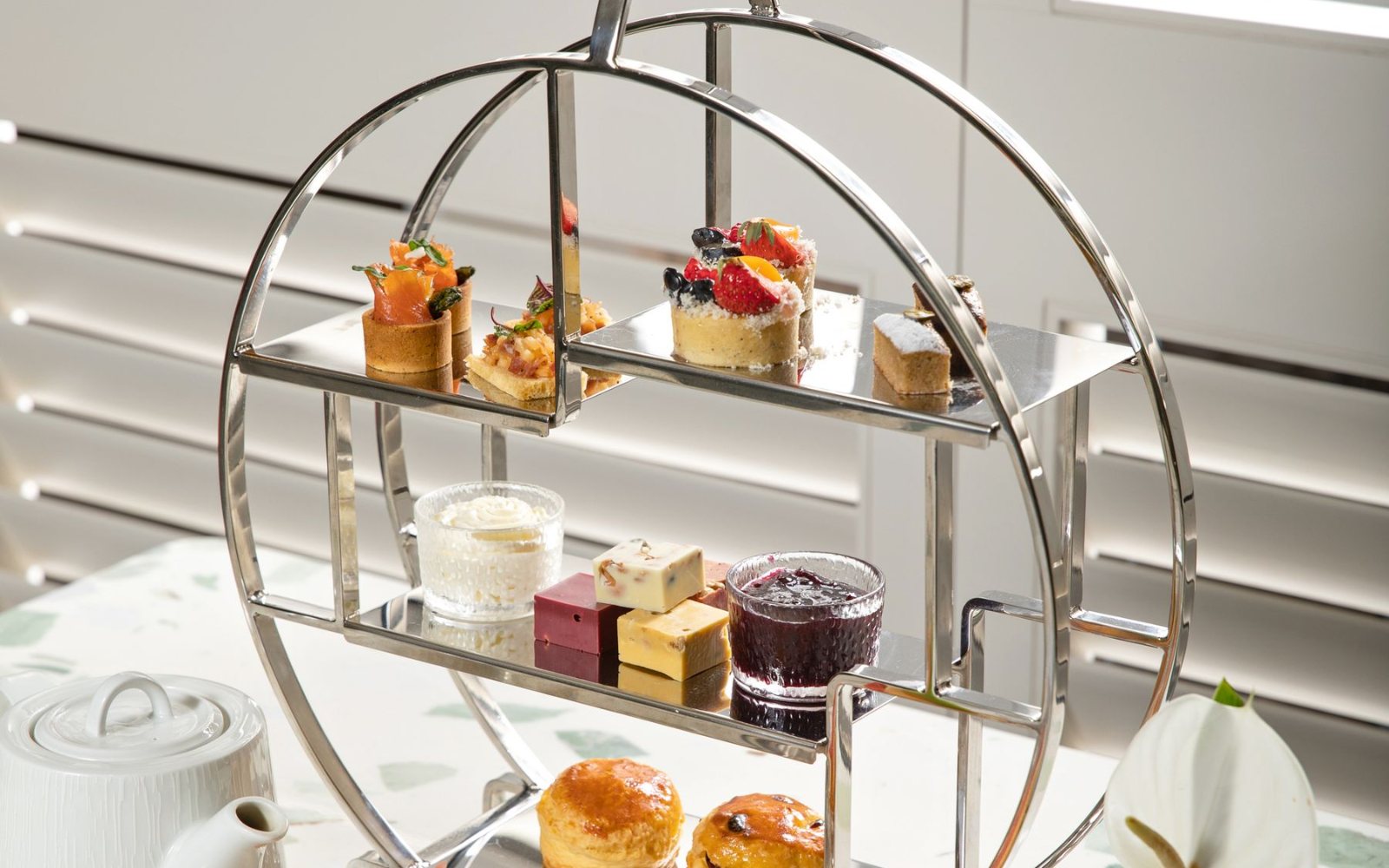
At its heart the ritual is simple. A pot of loose leaf tea, a tier of finger sandwiches and savoury bites, then scones and a run of small pastries and sweets, usually arranged on a stand so the table stays uncluttered. Nothing about it is rushed. The point is less the food than the pause, an hour to talk, to watch the light change, to let the day settle. That unhurried spirit is exactly why the ritual travels so well, and why it has found an easy home in a city that has always known how to linger over a drink.
Afternoon tea, high tea or trà chiều?
The three names cause more confusion than almost anything else about the ritual. Afternoon tea is the elegant, mid afternoon spread described above, light and leisurely. High tea, despite how grand it sounds, was historically a heavier meal taken later in the evening, closer to a hearty supper than to delicate pastries. The word high referred to the tall dining table it was eaten at, not to any sense of luxury. Menus in Vietnam and across Asia often use the two terms interchangeably, so it is always worth checking what a venue actually serves.
In Vietnamese the ritual is warmly known as trà chiều, which simply means afternoon tea. The name has taken on a life of its own among locals, standing for a relaxed treat with friends or family rather than a strictly British affair. If you would like the full picture, we untangle the two traditions in our guide to the difference between afternoon tea and high tea.
Why the ritual belongs in a hotel
Saigon is a wonderful city to walk, but it is a loud and warm one, and part of the pleasure of afternoon tea is stepping out of that rhythm for a while. A hotel restaurant offers what a busy street cannot: a cool, quiet room, attentive service, and a view that lifts you above the traffic. You sit, the tea comes, the stand is set down, and for an hour the city is something you watch rather than something you navigate.
There is also the matter of range. A hotel kitchen tends to bake its own pastries and rotate them with the seasons, and to keep a proper tea list rather than a single default brew. That care rewards a slow visit. It is the same quiet comfort that makes a leisurely hotel breakfast buffet such a gentle way to start the day, carried into the afternoon instead.
Afternoon tea at The Nest
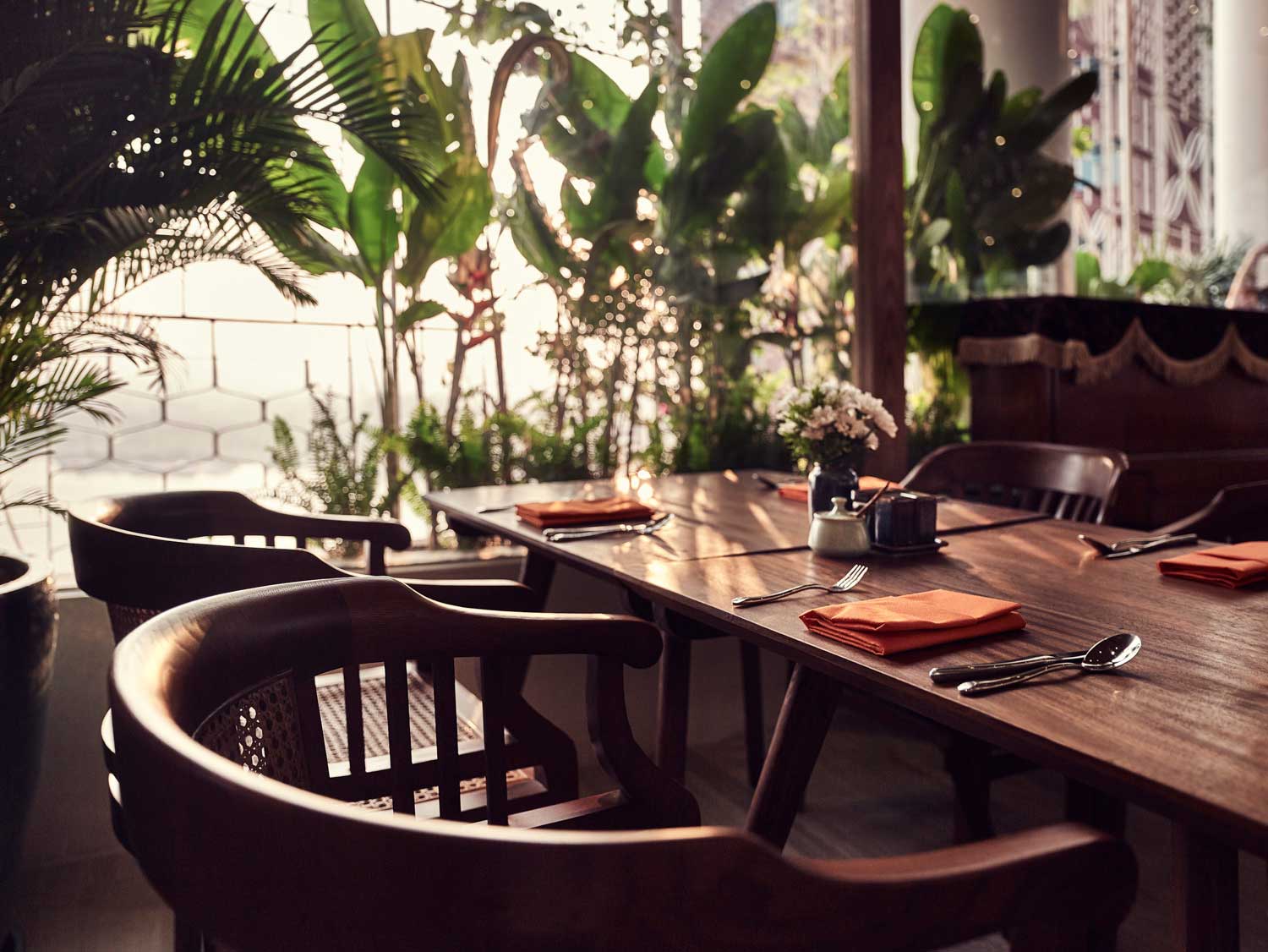
At The Myst Dong Khoi the ritual lives on the twelfth floor, at The Nest. The name means the nest of a swallow, the bird that heralds spring, and the restaurant wears that spring theme lightly, from the wrought iron flower frames at its windows to a nine metre wooden flower boat that serves as its buffet counter, a nod to the old Bình Đông flower wharf at Tết. It is a room designed to feel like a calm perch above the streets, with the city and the river spread out below.
The kitchen leans local. Alongside the classic finger sandwiches and pastries you find Saigon flavours woven through the spread, the sort of Vietnamese and Western fusion that runs through the whole restaurant, and there is a considered wine list should the afternoon call for a glass. Rather than list a fixed menu here, we would simply say that the offering changes with the season and the produce, so the best way to know what is on the stand today is to ask when you book. Afternoon tea is served through the early afternoon; a table by the window is worth requesting.
The best occasions for afternoon tea
Part of the charm of the ritual is how many moments it fits. A few suit it especially well.
- A weekend treat with family. Unhurried and easy across generations, afternoon tea makes a warm way to gather. It is a favourite for time with a mother or grandmother, an idea we explore in our note on a weekend afternoon tea with your mother.
- A quiet celebration. A birthday, an anniversary or simply good news, marked over tea rather than a heavy meal.
- An unhurried catch up. The calm and the space make it a graceful setting for a conversation that matters, including a first meeting with a partner or client. We gather what to look for in our guide to choosing a restaurant for a meeting.
- The festive season. Come December the ritual takes on a little sparkle, with seasonal touches on the stand. See our guide to Christmas afternoon tea in central Saigon.
If you are weighing up whether the moment is right, our longer list of occasions that suit afternoon tea in a hotel may help.
Making the most of your afternoon tea
A little planning turns a good afternoon tea into a memorable one. Reserve ahead, especially at the weekend, and ask for a window table if the view matters to you. Arrive with time to spare so you are not watching the clock, since the whole idea is to slow down. Dress however you feel comfortable; the setting is refined but never stiff. And do ask about anything seasonal, as the most interesting bites are often the ones that change with the month.
Afternoon tea sits neatly inside a wider afternoon in the centre. It pairs naturally with a stroll along nearby Đồng Khởi, whether you are browsing the shopping street beforehand or drifting down toward the Saigon riverfront once the pot is empty and the light turns gold.
Frequently asked questions
What is afternoon tea?
Is afternoon tea the same as high tea?
What does trà chiều mean?
Where can I enjoy afternoon tea in central Saigon?
Do I need to book afternoon tea at The Nest?
What is the best time of day for afternoon tea?
Take afternoon tea at The Nest
The Nest sits on the twelfth floor of The Myst Đồng Khởi, a boutique heritage hotel in the heart of District 1, with the city and the Saigon River laid out beyond its windows. Our team is glad to hold a table for afternoon tea and to talk you through what the season is bringing to the stand.
→ Discover dining at The Myst Dong Khoi
→ Stay with us and wake above the city
Crafted by Silverland Hotels.
Blog
Ho Chi Minh City is not just about international luxury. Over the last decade a home-grown fashion scene has exploded here, and for younger travellers it is far more interesting than another Gucci flagship: independent Vietnamese designers, a serious streetwear culture, and whole streets and basements devoted to local labels at prices that leave room to actually buy. This guide is about that scene: where to find it, which names to know, and how to shop it as a visitor, so you go home in something you cannot get anywhere else.
At a glance. Three places to focus on Saigon Local Fashion Brands: The New Playground, an underground local-brand mall at 26 Lý Tự Trọng in District 1 (with a second branch in the basement of Vincom Center Đồng Khởi); Nguyễn Trãi Street, District 1's fashion strip; and Trần Quang Diệu in District 3, a street of around a hundred local shops. Bring cash. Many stores open around 10am to 9:30pm.
Saigon local fashion Guide
What "local brand" means in Vietnam
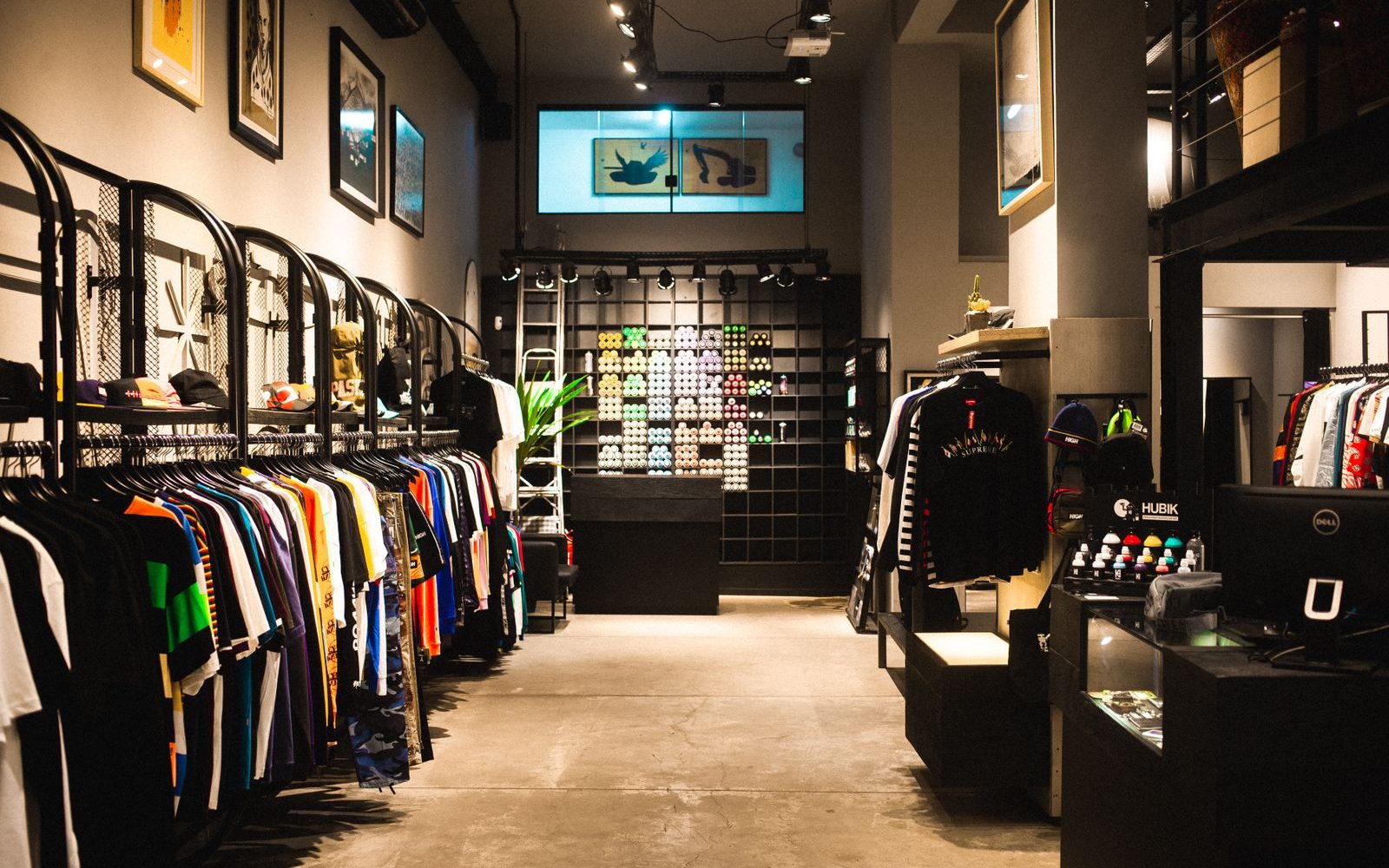
In Vietnam, "local brand" is its own category: independent, home-grown labels, most of them born in the last ten years, that design and sell their own clothing rather than reselling imports. The scene leans heavily on streetwear, graphic tees, oversized fits, caps and sneakers, alongside a wave of indie womenswear labels. The clothes are affordable, the designs are original, and buying them is a way to take home something genuinely Vietnamese and current.
For young international shoppers, this is the fun end of Saigon retail: less about logos, more about discovery, and priced so you can leave with a bagful rather than a single splurge.
The New Playground
The single best introduction is The New Playground, an underground concept mall packed with local designers selling directly to a Gen-Z crowd. The original sits at 26 Lý Tự Trọng in District 1, with a second location in the basement of Vincom Center Đồng Khởi, and it gathers dozens of Vietnamese streetwear and accessory brands under one roof.
Know what you are walking into: it is a basement space, often without air-conditioning, busy and a little chaotic, and many stalls take cash only. That is part of the appeal. Come with cash, be ready to dig, and you will find pieces you will not see anywhere else. It usually runs from about 10am to 9:30pm.
Nguyễn Trãi: the fashion street
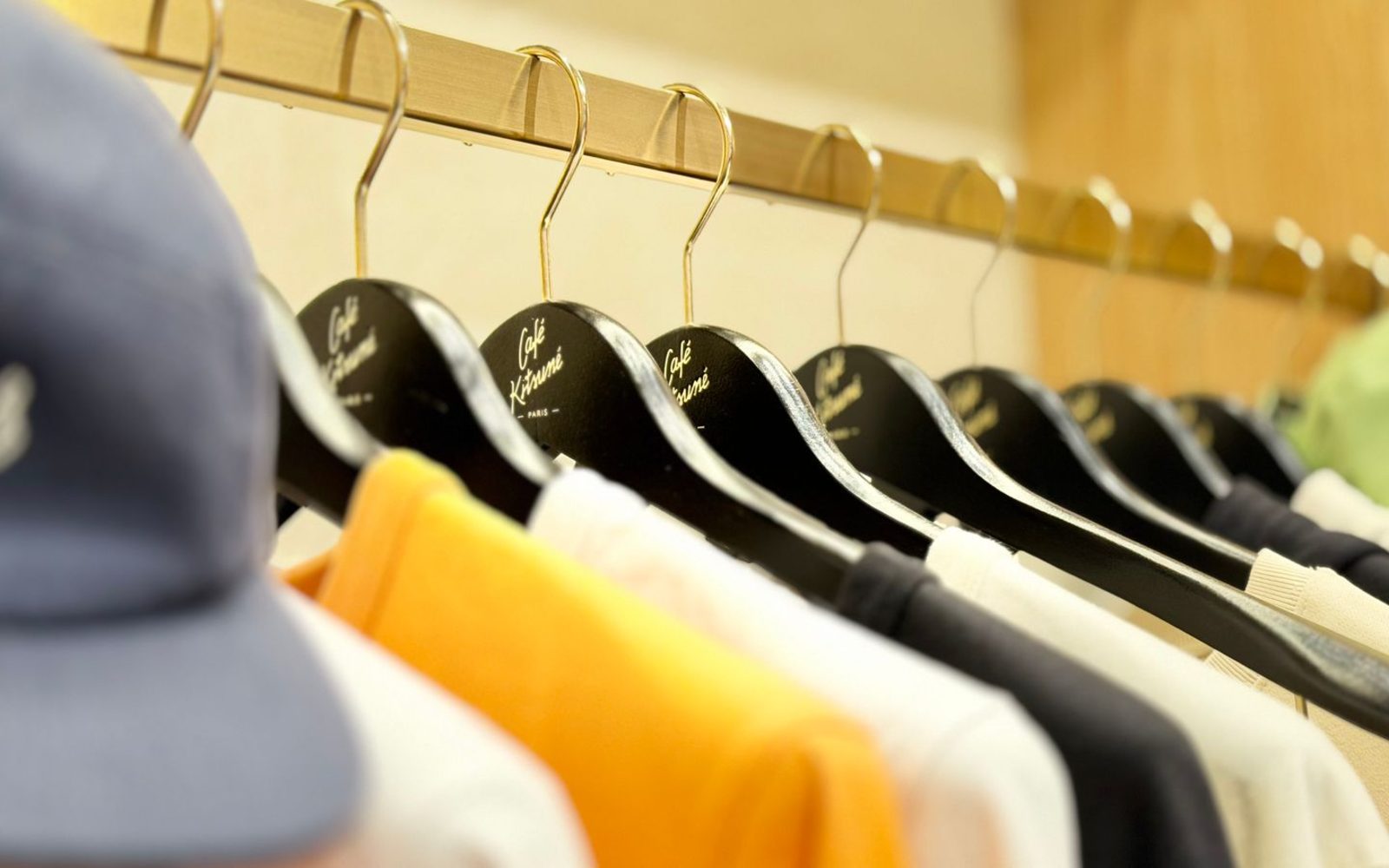
For a street-level version of the same scene, Nguyễn Trãi in District 1 has long been Saigon's fashion strip, with local shops standing shoulder to shoulder. It leans slightly more polished than the basements, carrying home-grown chains and womenswear labels like Hnoss and Dottie alongside streetwear, and it is an easy walk from the centre. Come for a browse-and-buy afternoon rather than a single destination.
Trần Quang Diệu: District 3's specialist strip
If you want to go deeper, Trần Quang Diệu in District 3 is a street given over almost entirely to fashion, with around a hundred shops selling clothing, shoes and accessories, most of them local brands. It is where young Saigonese actually shop, with names like LEO's, Happy Zoo and KIDO Studiowear among the regulars. A short ride from the centre, it rewards anyone who likes to browse.
Local brands worth knowing
A few names recur across the scene and are worth looking out for:
- Hades, a pioneer of Vietnamese streetwear since 2014, known for a dark, graphic-heavy aesthetic.
- Dirty Coins and Saigon Swagger, staples of the local streetwear world.
- Ssstutter, a favourite for clean, minimal everyday pieces.
- Hnoss, Dottie and Magonn, popular home-grown womenswear labels.
You will find these and many more across The New Playground and the two fashion streets, so treat the list as a starting point rather than a shopping list.
Tips for international shoppers
- Bring cash. Many local-brand stalls, especially in The New Playground, do not take cards.
- Mind the sizing. Local sizing runs to an Asian fit, so try things on and size up if in doubt.
- Prices are mostly fixed. Unlike the tourist markets, local-brand shops generally sell at set prices, so there is little bargaining.
- Go in the afternoon or evening, when the shops and the crowd are at their liveliest, and pair it with the wider Đồng Khởi shopping quarter next door.
Frequently asked questions
Where can I buy Vietnamese local fashion brands in Saigon?
What is The New Playground?
Which Vietnamese streetwear brands should I look for?
Do local-brand shops in Saigon take cards?
Is local fashion in Saigon cheaper than international brands?
How is this different from shopping at Ben Thanh Market?
The local-fashion hub is on our doorstep
The Myst Đồng Khởi is a 108-room boutique heritage hotel on the Đồng Khởi quarter, with a branch of The New Playground in the Vincom Center basement just steps away. Inducted into the Michelin Guide Hotels and Stays selection and named 2025 World Luxury Hotel Awards Country Winner for Vietnam, it is the ideal base for a day of local-label hunting across District 1 and District 3.
→ Book direct for our best rate
Crafted by Silverland Hotels.
Blog
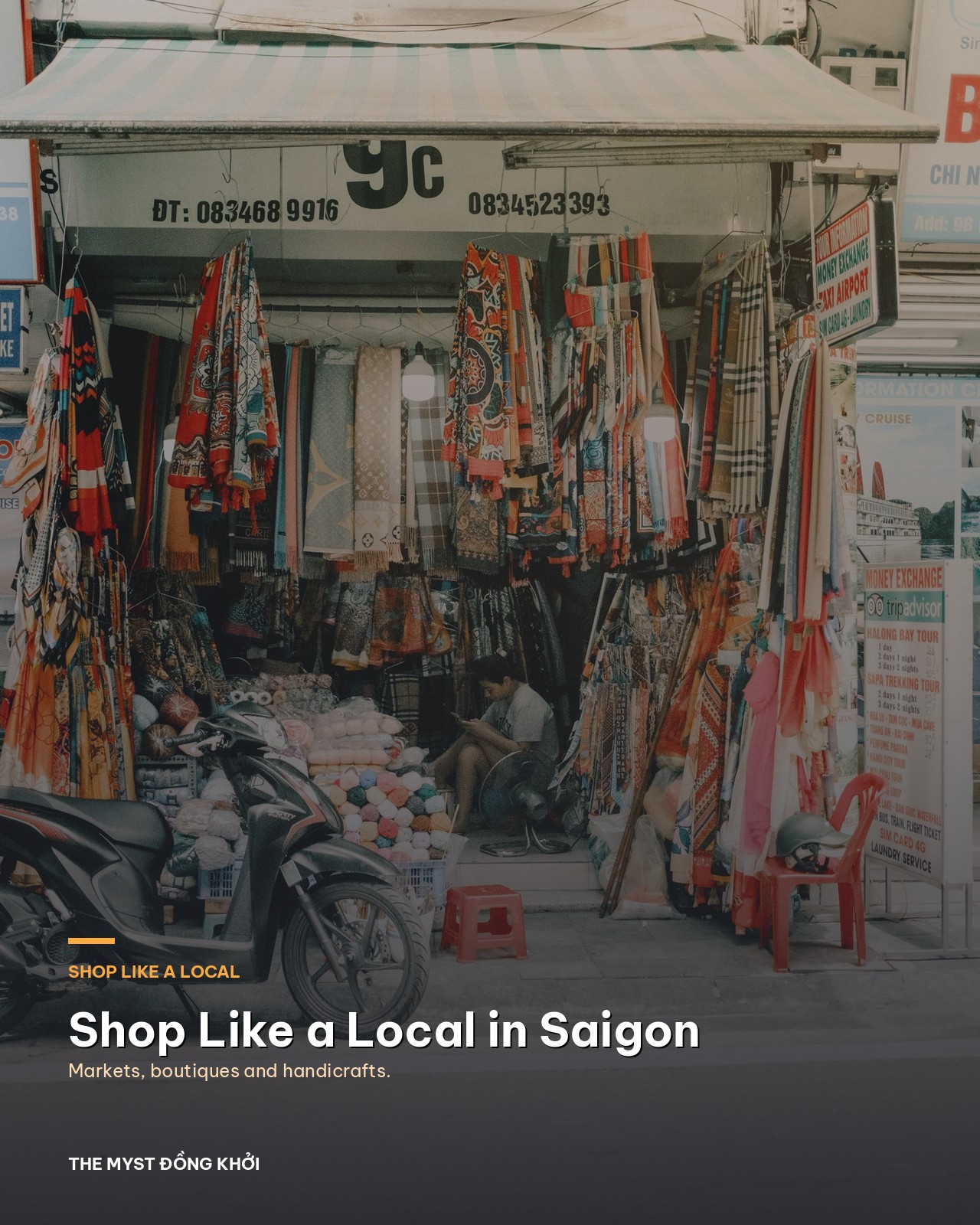
Past the luxury malls and the streetwear basements lies an older, warmer kind of shopping. Crowded markets. Artisan workshops. Little shops piled high with things made by hand. This is where you go for an áo dài cut to fit, a piece of lacquerware, a bag of freshly roasted coffee, or a souvenir that actually means something. Below: the markets worth knowing beyond Bến Thành, the crafts to hunt for, where to have an áo dài made, and how to shop it all without getting stung.
At a glance. For clothes and everyday goods, Saigon Square is the bargain hub. For handicrafts and textiles, head to An Đông Market and the artisan shops of District 1. What to buy: a tailored áo dài, lacquerware, silk, ceramics, conical hats, embroidery and Vietnamese coffee. Haggle politely in markets; boutiques are fixed-price.
Saigon Markets Local Guide
Markets beyond Bến Thành
Bến Thành gets all the attention, and we give it its own guide. But locals shop well past it. A short walk away, Saigon Square is a dense indoor warren of clothing, bags and accessories at bargain prices, far better for a cheap wardrobe top-up than for gifts. For handicrafts, fabric and a more lived-in feel, the long-standing choice is An Đông Market over in District 5, strong on cloth, áo dài materials and presents, and refreshingly light on tourists.
Each market has its own temperament, so match it to the mission: Saigon Square for a quick, cheap haul, An Đông for crafts and cloth. If it is the classic covered-market experience you are after, read our Bến Thành Market guide.
Handicrafts and souvenirs to hunt for
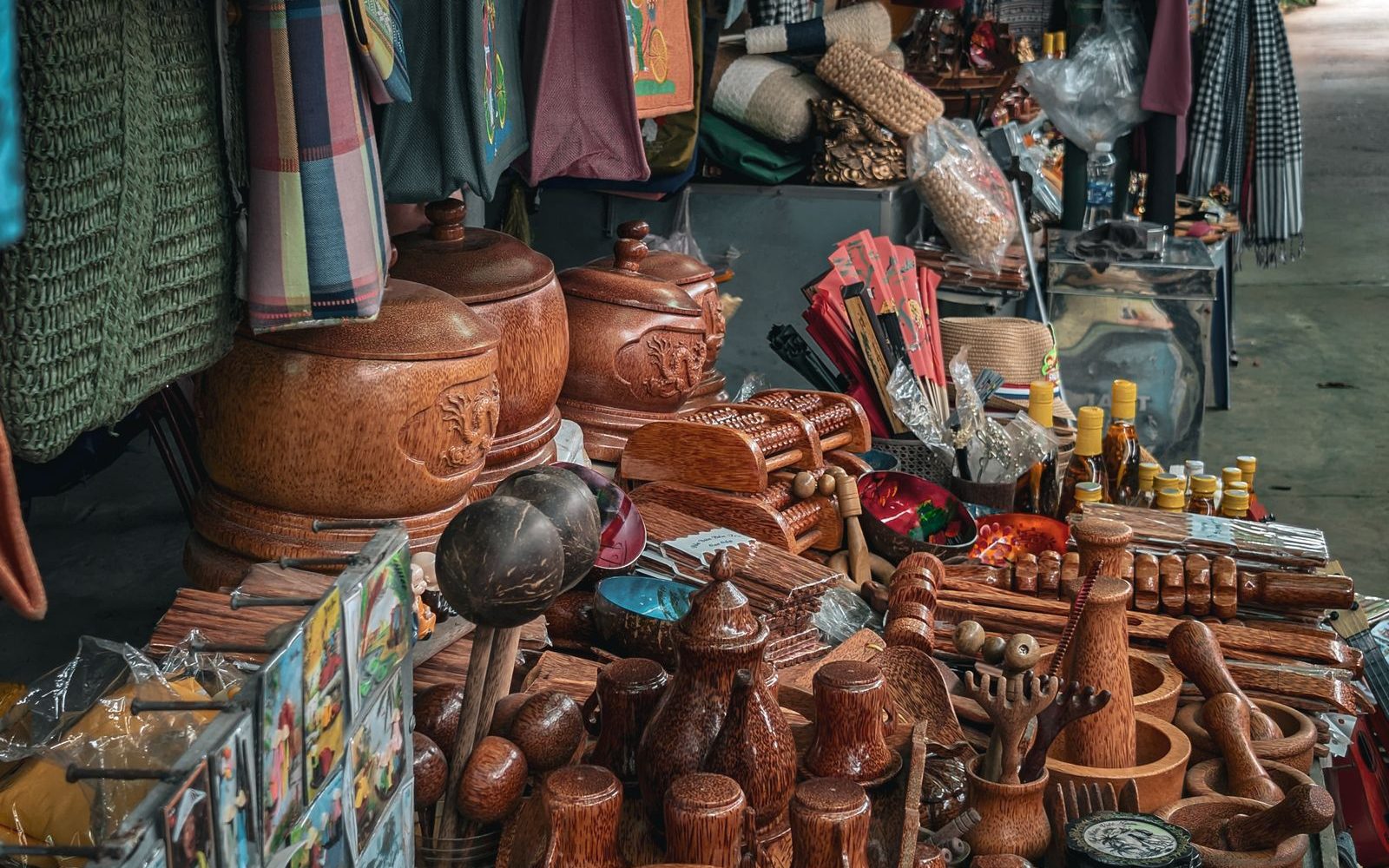
Vietnam's craft traditions run deep, and Saigon is the easiest place to buy across all of them. The things worth carrying home? Lacquerware, from bowls and trays to painted panels. Hand embroidery and silk. Ceramics and blue-and-white pottery. Conical hats. And single-origin Vietnamese coffee, which packs light and makes an easy gift. Buy handicrafts at An Đông or Bến Thành for the range and the price, and judge them on the quality of the finish rather than the lowest number on offer.
One souvenir worth singling out is coffee. Vietnam is one of the world's great coffee producers, and a bag of dark-roast robusta or a small metal phin filter packs down easily and makes a genuinely useful gift. You will find both at markets and specialty shops around District 1, usually alongside dried fruit, cashews, pepper and other edible souvenirs that travel well. For something with real provenance, ask about single-origin beans from the Central Highlands rather than the generic tourist blends.
Where to have an áo dài made
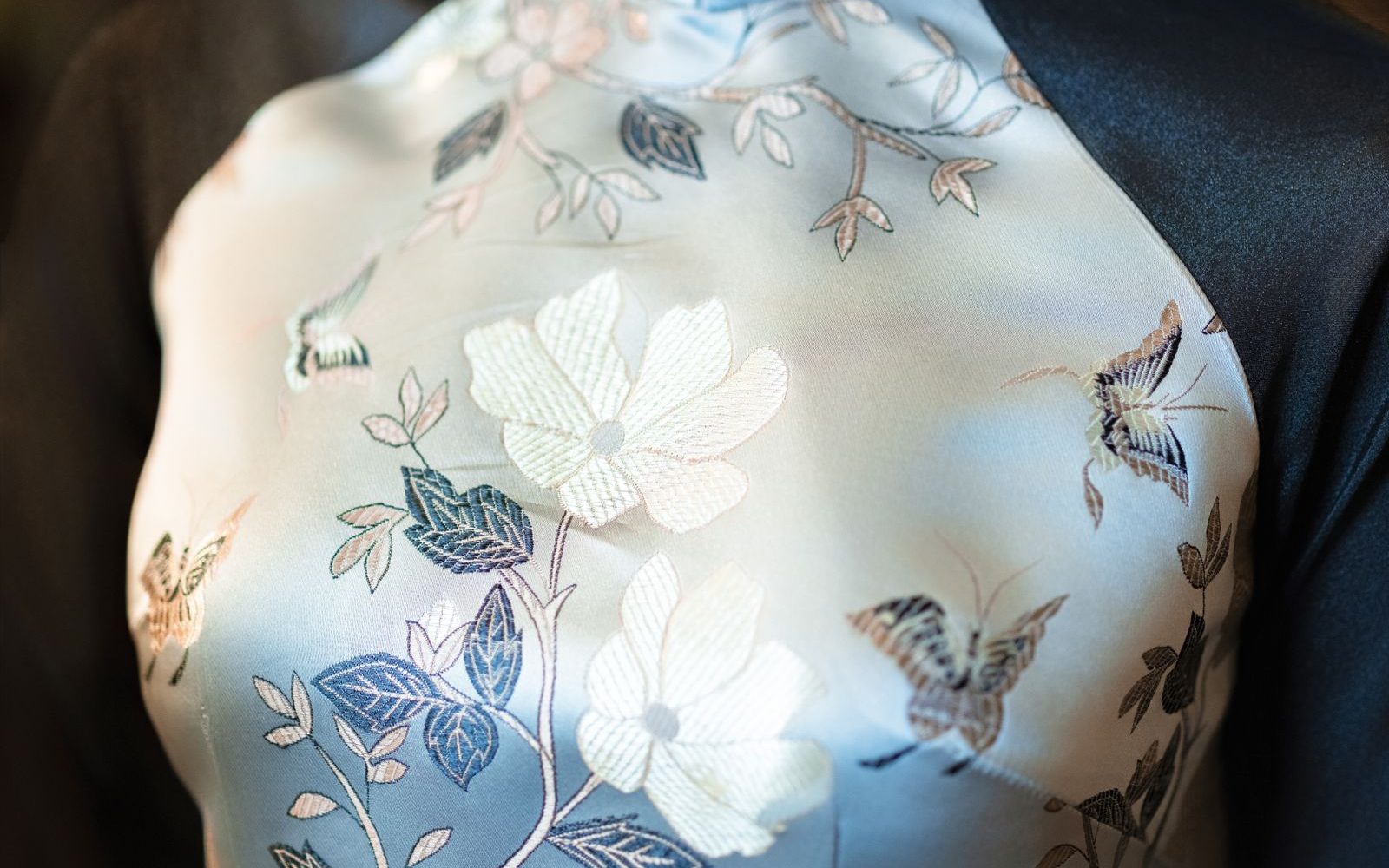
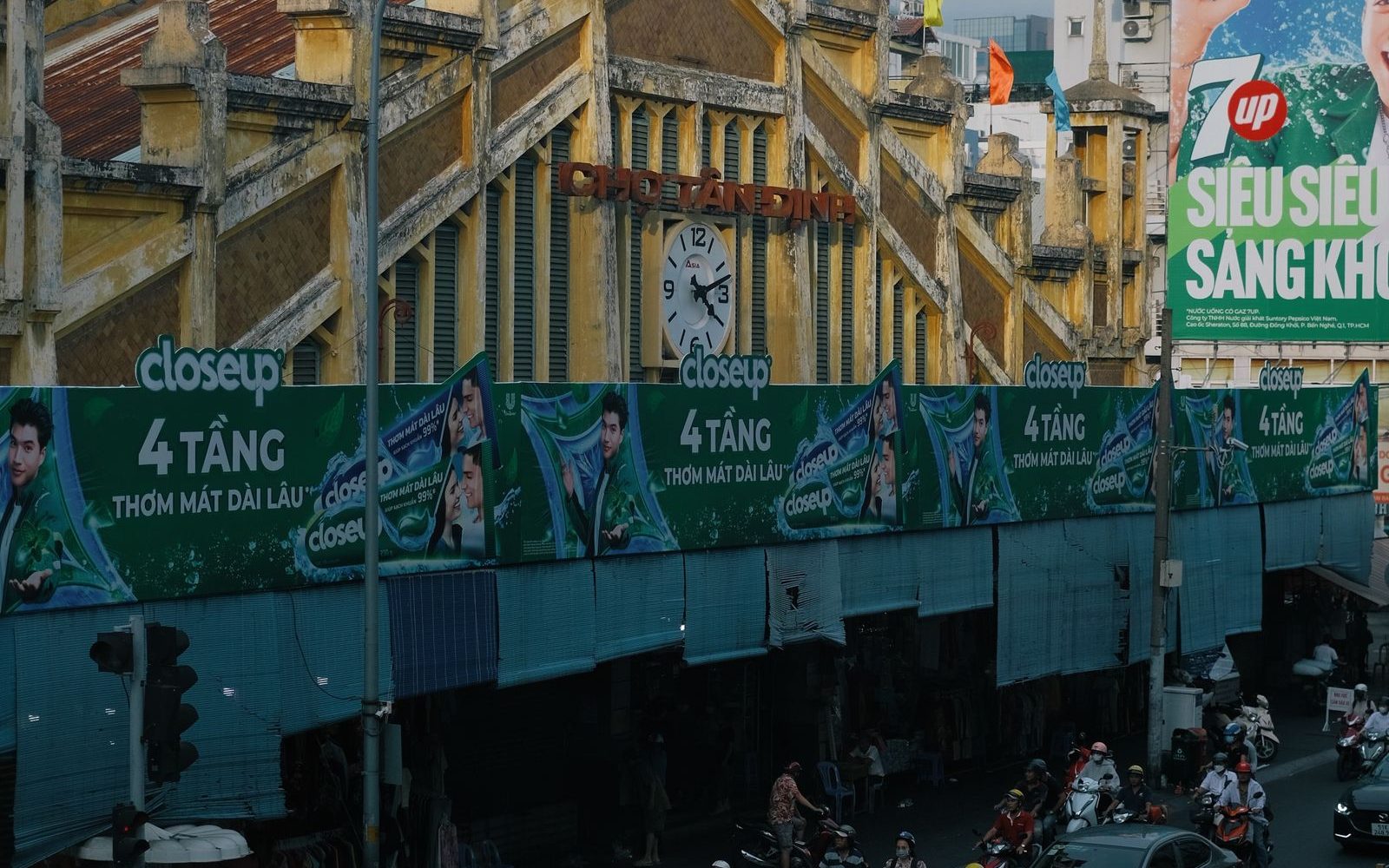
The most personal souvenir of all is a tailored áo dài, the graceful Vietnamese long tunic worn over trousers. Plenty of Saigon tailors can turn one around in a day or two, so it pays to order early in your trip. The usual route: buy the fabric at a market such as An Đông or Tân Định, then take it to a recommended tailor, or pick a tailor who supplies the cloth themselves. Leave time for a fitting, and be clear about the pick-up date so it is ready before you fly out.
Boutiques and artisan shops
Not a market person? District 1 has a growing crop of design boutiques and artisan shops selling curated Vietnamese craft, homeware and modern takes on old forms, most of them clustered around Lê Thánh Tôn and Lý Tự Trọng. Prices are fixed, the mood is calmer than the markets, and the pieces are the sort of well-made gift you do not have to bargain for. Keep an eye out, too, for artisan markets and pop-ups showcasing handmade local goods.
A few tips for the markets
- Bargain, but keep it friendly. At Saigon Square, An Đông and Bến Thành, prices flex. Start warm, offer around half, and meet somewhere in the middle.
- Boutiques are fixed-price. Don't haggle in design shops and artisan stores; the marked price is the price.
- Carry cash for the markets, in small notes, and save the cards for boutiques and malls.
- Think about shipping for anything large or fragile, like lacquer panels or ceramics. Many shops can arrange it.
Frequently asked questions
Where do locals shop in Saigon beyond Bến Thành?
What are the best souvenirs to buy in Saigon?
Where can I get an áo dài made in Saigon?
Should I bargain when shopping in Saigon?
What is the difference between Saigon Square and An Đông Market?
Can I ship handicrafts home from Saigon?
A central base for a day of local shopping
The Myst Đồng Khởi is a 108-room boutique heritage hotel in the heart of District 1, a short walk or ride from Saigon Square, the artisan boutiques and the city's great markets. Inducted into the Michelin Guide Hotels and Stays selection and named 2025 World Luxury Hotel Awards Country Winner for Vietnam, its concierge can point you to trusted tailors and craft shops for the souvenirs worth carrying home.
→ Book direct for our best rate
Crafted by Silverland Hotels.
Blog
If you want to shop the big names in Ho Chi Minh City, you barely need to leave one neighborhood. Đồng Khởi and the few streets around it form Saigon's golden retail quarter, where the international fashion houses, the grand department stores and the city's most polished malls all sit within a short walk of each other. This is a guide to shopping the quarter well: the street itself, the four malls that matter, what you will find inside, and a few practical tips, all in the most walkable corner of District 1.
At a glance. Đồng Khởi Street runs about 670 metres through central District 1 and is the most expensive shopping street in Vietnam. The key addresses: Vincom Center Đồng Khởi, Union Square, Saigon Centre (Takashimaya) and Diamond Plaza, with Landmark 81 a short ride away. Malls generally open around 9:30 or 10am and close about 10pm. Almost all of it is walkable.
A guide for Dong Khoi Shopping
Đồng Khởi Street itself
Đồng Khởi Street is the historic heart of luxury Saigon. Known as Rue Catinat in French colonial days and later Tự Do Street, this roughly 670-metre stretch is now the most expensive retail address in the country, lined with designer boutiques and elegant colonial-era buildings between the Saigon Opera House and the river.
Even window-shopping here is a pleasure. The street pairs flagship fashion stores with heritage architecture, grand hotels and pavement cafés, so it rewards a slow stroll as much as a serious shopping trip. Start at the Opera House end and work your way down toward the water.
The malls that matter
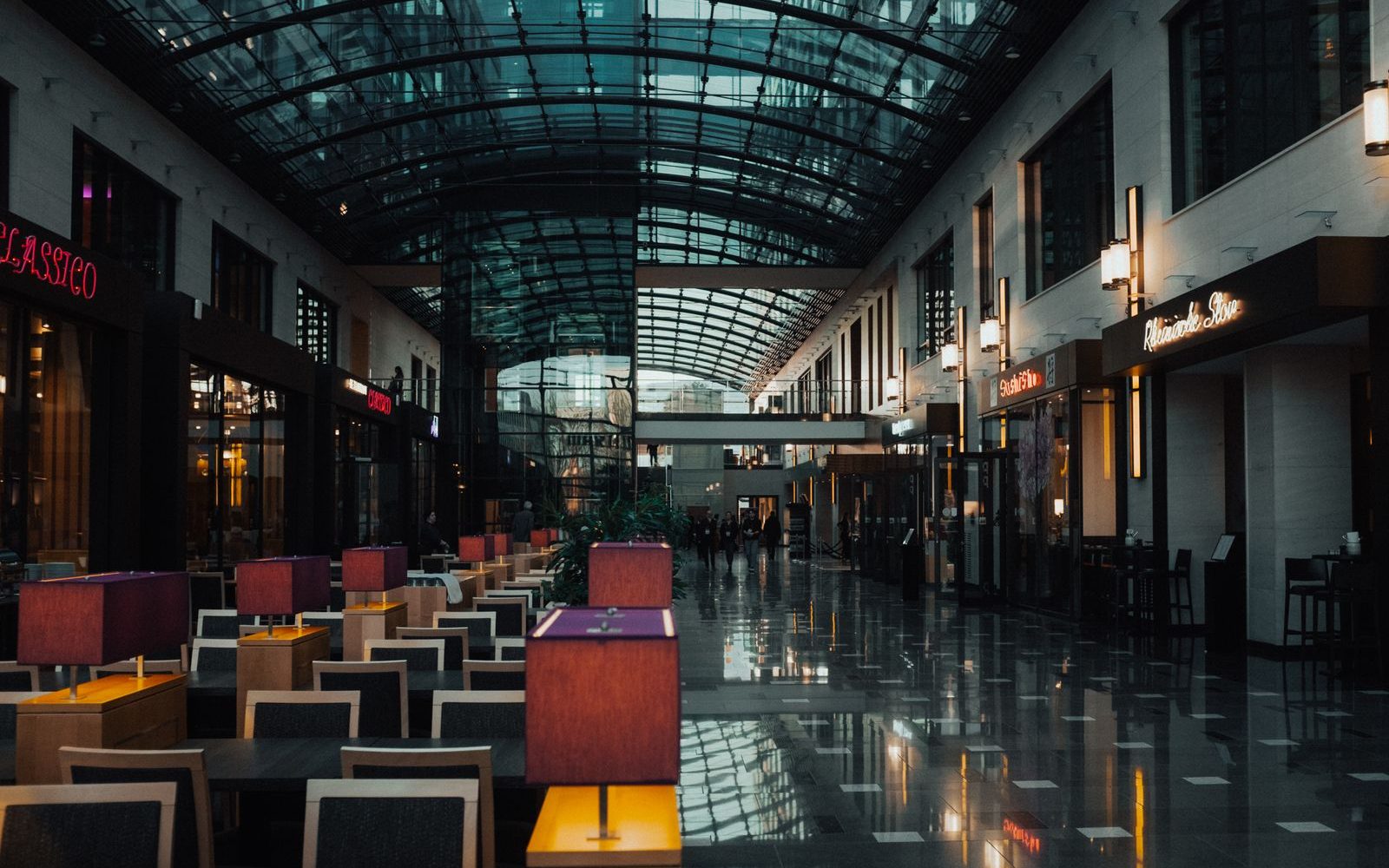
Four destinations cover almost everything a luxury shopper wants, and all sit in or beside the Đồng Khởi quarter:
- Vincom Center Đồng Khởi, the largest mall in the area, spread across two buildings with more than two hundred stores, from international brands to a busy basement food and lifestyle level.
- Union Square, the most exclusive address, home to the highest concentration of top designer flagships facing the Nguyễn Huệ pedestrian street.
- Saigon Centre (Takashimaya), widely regarded as the best all-round mall, anchored by the Japanese Takashimaya department store and famous for its ground-floor gourmet food hall.
- Diamond Plaza, a long-standing department store near the Notre-Dame Cathedral, with fashion, beauty and homeware across several floors.
For a fifth option with a view, Vincom Center inside Landmark 81, the tallest building in Vietnam, gathers more than a hundred brands a short ride away in Bình Thạnh.
What you will find
Between them, these malls and the street carry the full range of international luxury, with names like Dior, Gucci, Louis Vuitton, Hermès and Chanel among the flagships. Beyond fashion you will find fine watches and jewellery, international beauty counters, and some of the best food halls in the city, the gourmet hall at Takashimaya being a highlight for edible souvenirs and a mid-shopping break.
If you are also curious about home-grown Vietnamese labels rather than international houses, that is a different and equally rewarding trip, which we cover in our guide to Saigon's local fashion brands.
Beyond the malls: the boutique streets
The malls are only half the story. The side streets around Đồng Khởi, especially Lê Thánh Tôn, Mạc Thị Bưởi and the lanes off Đồng Khởi itself, are dotted with independent boutiques, jewellery ateliers and a handful of Vietnamese designer stores, the kind of places for something less mass-market than a flagship. It is a pleasant way to shop between the big names, and what you find here tends to feel more personal.
Because the quarter is so compact, it is easy to fold in a break. Dozens of cafés and a few well-known rooftop bars sit within the same few blocks, so you can pause for an iced coffee or a sundowner between stores without ever losing your place in the day.
Practical tips
- Timing. Malls open around 9:30 to 10am and close about 10pm, so late mornings and evenings are comfortable, air-conditioned escapes from the heat.
- Tax refund. Foreign visitors may be eligible for VAT refunds on qualifying purchases; ask the store for the paperwork and process it at the airport on departure.
- Walk it. The whole quarter is compact, so you can cover the street and all four central malls on foot in a single outing.
- Pair with sights. The Opera House, Notre-Dame Cathedral and the Nguyễn Huệ pedestrian street are all in the same few blocks, so shopping folds neatly into a day of sightseeing.
Frequently asked questions
Where is the best luxury shopping in Ho Chi Minh City?
What is Đồng Khởi Street known for?
Which mall is best for luxury brands in Saigon?
What are the opening hours of the malls?
Can tourists claim a tax refund on luxury purchases?
Is Đồng Khởi within walking distance of central hotels?
Stay in the middle of the shopping quarter
The Myst Đồng Khởi is a 108-room boutique heritage hotel right in the Đồng Khởi quarter, steps from Vincom Center, Union Square and Takashimaya. Inducted into the Michelin Guide Hotels and Stays selection and named 2025 World Luxury Hotel Awards Country Winner for Vietnam, it puts Saigon's finest shopping, and its best sightseeing, at your doorstep.
→ Book direct for our best rate
Crafted by Silverland Hotels.
Blog
Cholon is the largest and oldest Chinatown in Vietnam, a dense, aromatic world of temples, covered markets and Cantonese-Vietnamese food layered over centuries of heritage. A few kilometres west of District 1, it feels like a city within the city: incense smoke curling under temple roofs, herbal shops perfuming whole streets, and a vast wholesale market at its heart. Give it a morning or a full day and it rewards you richly. Here is what to see, where to start, and how to walk it well.
At a glance. Cholon Chinatown sits mainly in District 5, about four to six kilometres west of District 1, roughly fifteen to twenty minutes by car outside peak traffic. Highlights: Bình Tây Market, the Bà Thiên Hậu Temple (dating to around 1760), the Hải Thượng Lãn Ông herbal-medicine street and the historic Cha Tâm Church. Best in the morning; allow a half to a full day.
Cholon Chinatown Guide
Why visit Cholon
Cholon, meaning "big market", grew from a settlement of Chinese traders into the beating commercial heart of old Saigon, and it still carries that history in its temples, assembly halls and markets. It is the most atmospheric neighborhood in the city for anyone who loves heritage, ritual and food, and it feels a world away from the polished centre.
The pleasure of Cholon is as much in the in-between moments as the landmarks: the herbal shops, the metalworkers, the lantern makers and the daily trade that fills its narrow streets. Come to wander, not just to tick off sights.
Bình Tây Market
Most visits begin at Bình Tây Market, the grand wholesale market that anchors Cholon. Built around a central courtyard, it is a maze of stalls selling everything from dried goods and spices to household wares and handicrafts, busiest in the morning when the trade is at full tilt. Even if you buy nothing, it is worth walking through for the scale and the energy, and the food stalls around it are excellent for a mid-morning bite.
Temples: Thiên Hậu and the assembly halls
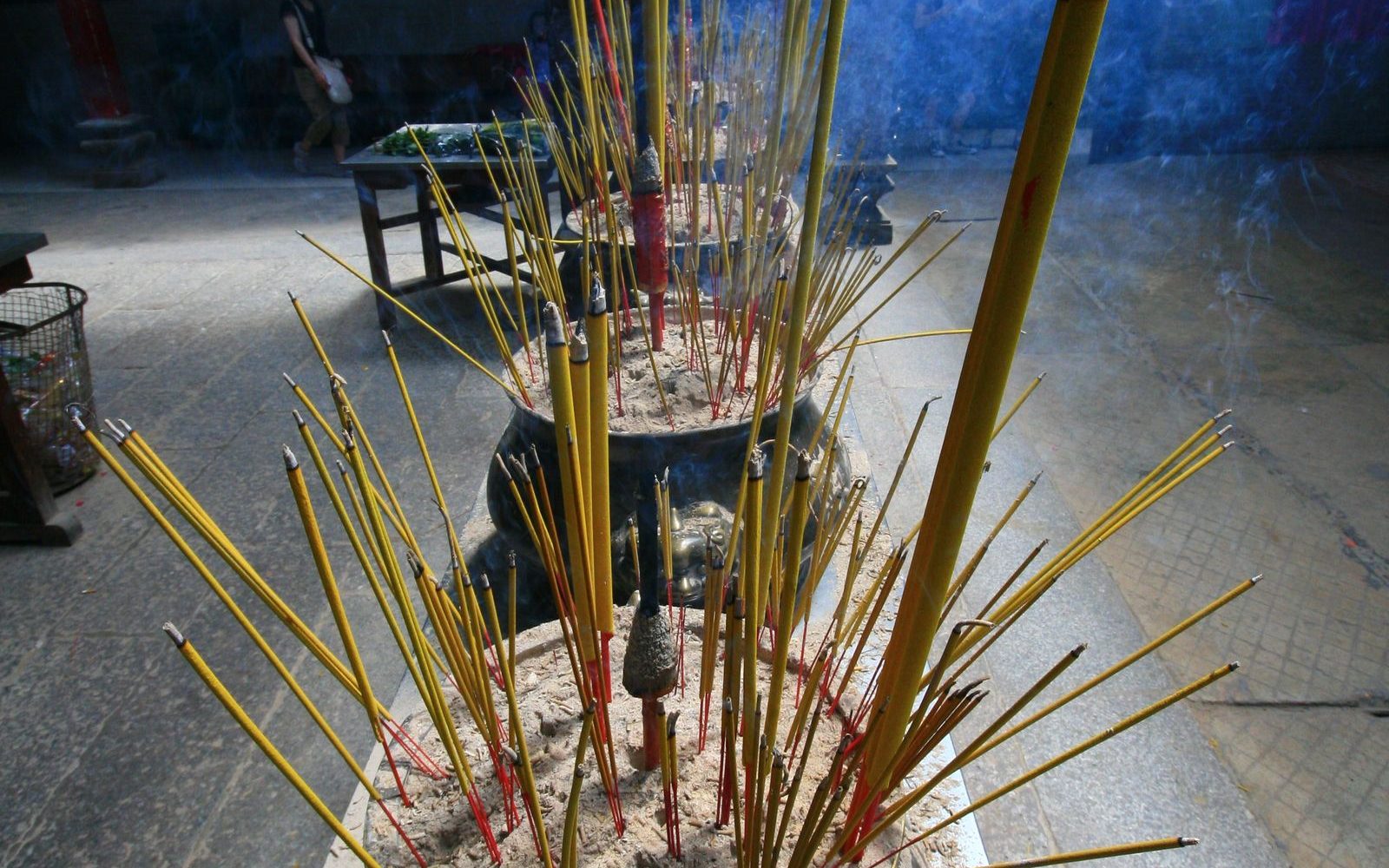
Cholon's spiritual heart is the Bà Thiên Hậu Temple, dedicated to Mazu, the Chinese sea goddess, and dating to around 1760. Its roofs are crowded with intricate ceramic figures, and the air inside is thick with the smoke of hanging incense coils. It is the most famous of a cluster of temples and assembly halls that sit within a few blocks of each other, so you can visit several on foot. The Bà Thiên Hậu festival, on the 23rd day of the third lunar month, is the liveliest time to come.
The Hải Thượng Lãn Ông herbal street
One of Cholon's most distinctive experiences is its traditional-medicine quarter. The streets around Hải Thượng Lãn Ông form the oldest and largest area for herbal medicine in the city, lined with shops whose open sacks and drawers of dried herbs, roots and bark scent the whole block. Even without buying, it is a wonderful, sensory walk and a window into a living tradition.
Cha Tâm Church and a piece of history
For a different layer of the past, the Cha Tâm Church, built in the early twentieth century, is where South Vietnamese president Ngô Đình Diệm took refuge and was captured in November 1963, one of the pivotal moments in the lead-up to the Vietnam War. The church, named after the priest known as Cha Tâm, remains a quiet, working place of worship and a poignant stop on any Cholon itinerary.
Eating in Cholon
Cholon is one of the best places in the city to eat Chinese-Vietnamese food. Look for dim sum and roast meats, hand-pulled noodles, hủ tiếu and herbal soups, and the sweet dessert soups the district is known for. Much of the best eating is at humble street stalls and old family shops rather than restaurants, so follow the crowds and eat where the locals do.
A walking route and how to get there
From District 1, Cholon is a fifteen to twenty minute ride-hailing trip west. A classic route starts at Bình Tây Market and walks toward the Bà Thiên Hậu Temple, taking in the assembly halls, the herbal street and Cha Tâm Church along the way, with the in-between lanes as much of the pleasure as the stops. Go in the morning while the market and temples are liveliest and the heat is gentler. It fits naturally alongside the rest of our Saigon neighborhoods guide.
Frequently asked questions
What is Cholon and where is it?
What are the main things to see in Cholon?
How much time should I spend in Cholon?
How do I get to Cholon from District 1?
What food is Cholon known for?
Is the Thiên Hậu Temple worth visiting?
A central base for a day in old Saigon
The Myst Đồng Khởi is a 108-room boutique heritage hotel in the heart of District 1, an easy ride-hailing trip from Cholon and its temples and markets. Inducted into the Michelin Guide Hotels and Stays selection and named 2025 World Luxury Hotel Awards Country Winner for Vietnam, it is a calm place to return to after a day in the oldest, most atmospheric corner of the city.
→ Book direct for our best rate
Crafted by Silverland Hotels.
Blog
District 4 is small, dense, and just one bridge from District 1, and after dark it becomes one of the best places to eat in Ho Chi Minh City. An old port neighborhood with a working-class heart, it is famous for its seafood street, where charcoal grills fire up at dusk and young locals crowd onto plastic stools for snails, scallops and clams. Add the hidden food alleys around Xóm Chiếu market and you have a proper local feast, five minutes from the centre. Here is what to eat, where, and how to do it well.
At a glance. District 4 is the smallest urban district in the city, about 4.18 square kilometres, just across the Ông Lãnh bridge from District 1, roughly a five-minute ride. The heart of it is the Vĩnh Khánh seafood street, best after dark, plus the Xóm Chiếu market and its evening alleys. Budget around 200,000 VND per person for a generous seafood spread.
District 4 Saigon Guide
Why go to District 4
District 4 is south of the river, wrapped by canals and connected to District 1 by a short bridge. It was long known as a tough dockside district, and that history has left it dense, lived-in and largely untouched by tourism. Today that same character makes it one of the city's great eating neighborhoods, where the food is for locals first and the atmosphere is loud, smoky and genuinely fun.
This is not a place for monuments. You come to District 4 to eat, ideally at night, ideally with a group, and to see a side of Saigon that most short visits miss.
Vĩnh Khánh: the seafood street
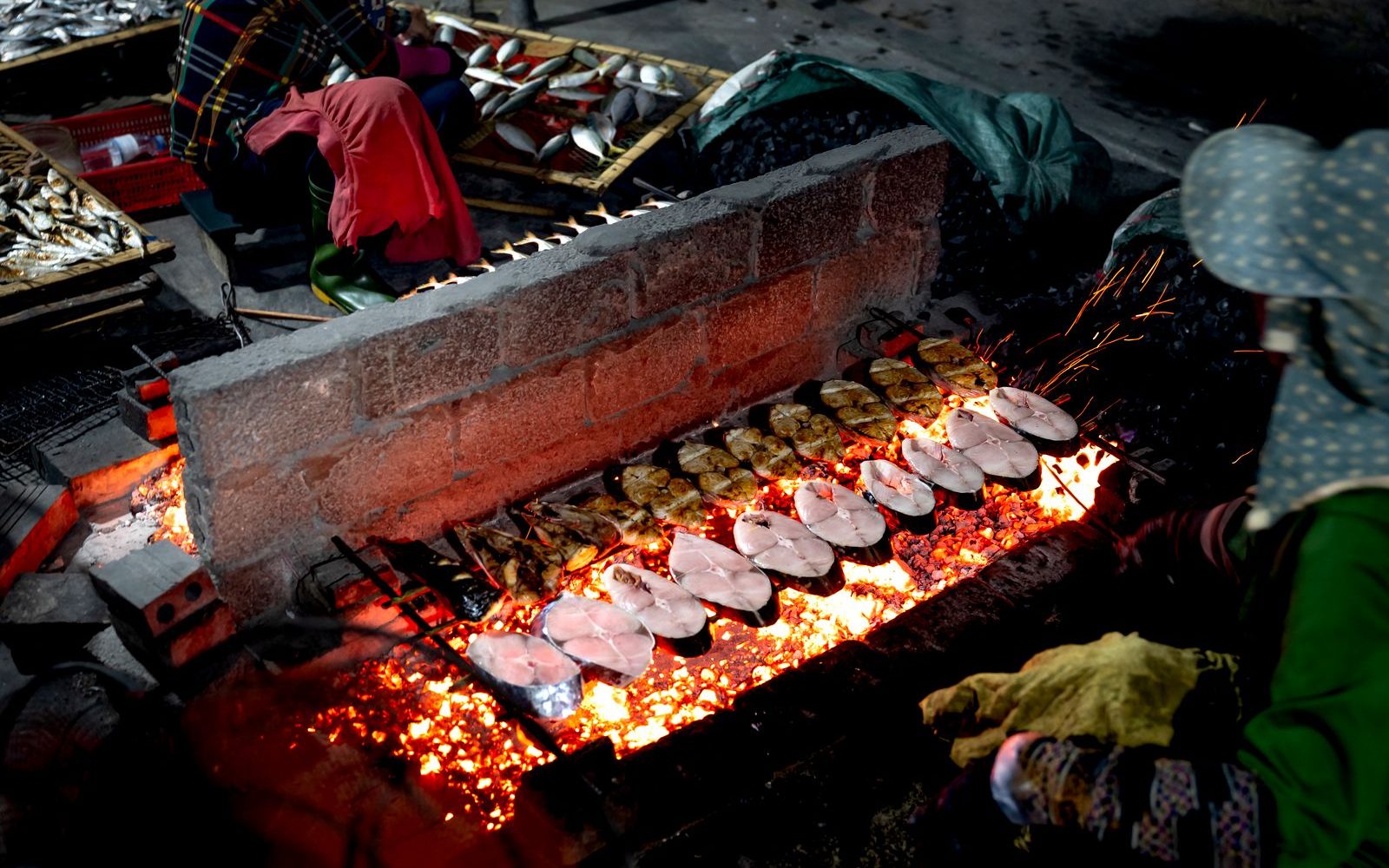
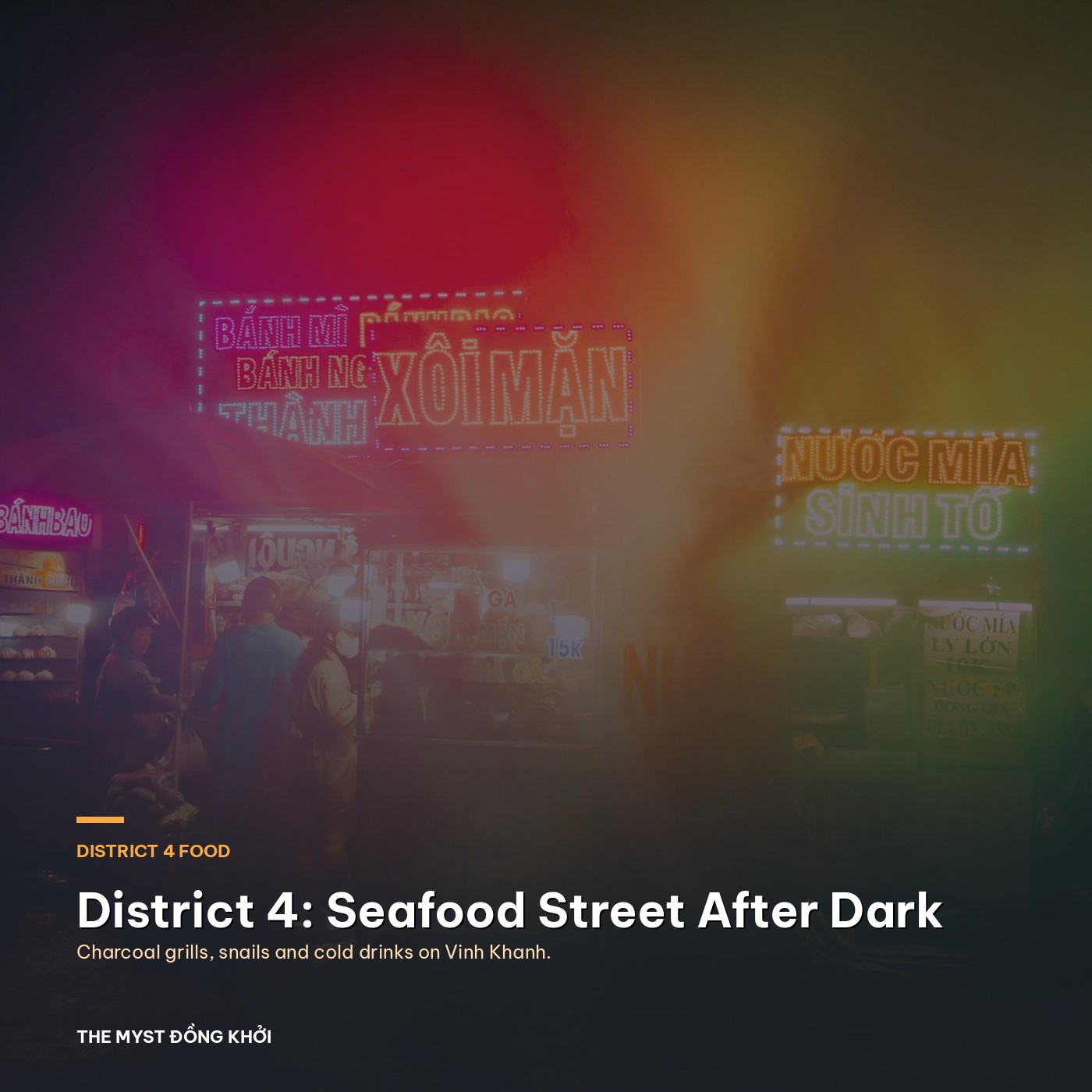
The star is Vĩnh Khánh, an entire street given over to seafood that comes alive as the sun goes down. Grills line the pavements, smoke rises, and the tables fill with young Saigonese working through plates of ốc, the Vietnamese ritual of snails and shellfish cooked every way imaginable: grilled scallops with spring onion and peanuts, snails in coconut milk, BBQ oysters, clams with lemongrass and chilli.
Well-known stalls like Ốc Oanh have built reputations on dishes such as salt-roasted crab and a huge menu of shellfish at reasonable prices. Order a spread to share, add a plate of grilled prawns or scallops, and keep the cold drinks coming. It is social eating at its best.
Xóm Chiếu and the food alleys
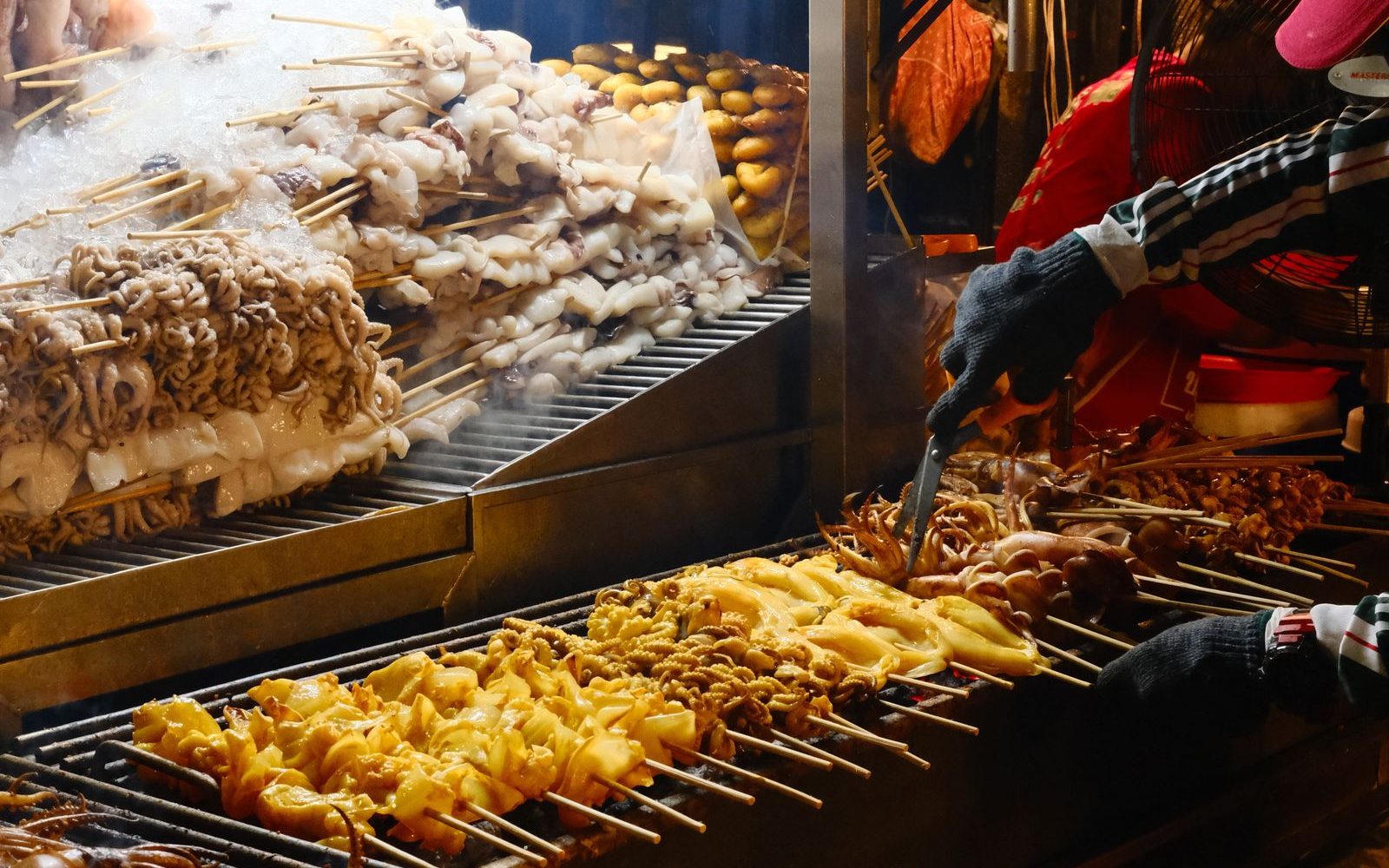
A short walk away, the Xóm Chiếu market, also known as Chợ 200, runs from late afternoon until late at night. In the daytime it is a working market of shouting vendors and fresh seafood, but by evening the surrounding lanes, especially alley 200 off Xóm Chiếu street, turn into a maze of snack stalls. This is the place for cheap, hunt-and-graze eating: grilled skewers, sticky rice, sweet soups and dozens of small Vietnamese dishes for a few notes each.
What to order and how much it costs
For a first visit, build your table around shellfish and grills:
- Ốc (snails and shellfish), the whole point of the street, cooked grilled, steamed, stir-fried or in coconut milk.
- Grilled scallops topped with spring onion oil and crushed peanuts, a crowd favourite.
- BBQ oysters and clams with lemongrass, chilli or cheese.
- Salt-roasted crab or prawns for something more substantial.
A budget of around 200,000 VND per person, roughly a modest amount in dollars, is enough for a generous shared spread with drinks. Prices are per dish and easy to check, so you stay in control of the bill.
Getting there and when to go
From District 1, cross the Ông Lãnh bridge, which forms the boundary between the two districts, and you are on the edge of District 4 within about five minutes. A ride-hailing car is the simplest option, especially for the trip home after dinner. Go in the evening, from around seven onward, when the grills are lit and the streets are at their liveliest. It pairs perfectly with the rest of our Saigon neighborhoods guide.
Frequently asked questions
What is District 4 in Saigon known for?
Where is the seafood street in District 4?
How much does a seafood meal in District 4 cost?
How do I get to District 4 from District 1?
What should I order on Vĩnh Khánh seafood street?
Is District 4 safe for tourists at night?
A five-minute ride from Saigon's best seafood
The Myst Đồng Khởi is a 108-room boutique heritage hotel in District 1, a short ride across the Ông Lãnh bridge from the Vĩnh Khánh seafood street. Inducted into the Michelin Guide Hotels and Stays selection and named 2025 World Luxury Hotel Awards Country Winner for Vietnam, it is a calm, central base to come home to after a loud, delicious night in District 4.
→ Book direct for our best rate
Crafted by Silverland Hotels.
Blog
Thảo Điền is the greenest, most relaxed corner of Ho Chi Minh City, a riverside village of garden cafés, international kitchens and tree-lined lanes that grew up around the city's expat community. The best way to experience it is not there and back the same way, but as a loop: ride the metro out in the morning, spend the day eating and wandering, then float home downtown by water bus as the sun sets. Here is exactly how to do it, where to eat, and what to see.
At a glance. Thảo Điền sits on the eastern bank in Thủ Đức, about twenty minutes from central District 1. Get there on Metro Line 1 (Thảo Điền station, roughly 500 metres from the main streets). Return by water bus from a Thảo Điền-area wharf (the Thảo Điền or Bình An pier) at sunset. Over eighty cafés, international dining, and the 90,000-square-metre Vincom Mega Mall. Since mid-2025 it forms part of An Khánh ward, though everyone still calls it Thảo Điền.
Thao Dien day trip guide
Why go to Thảo Điền
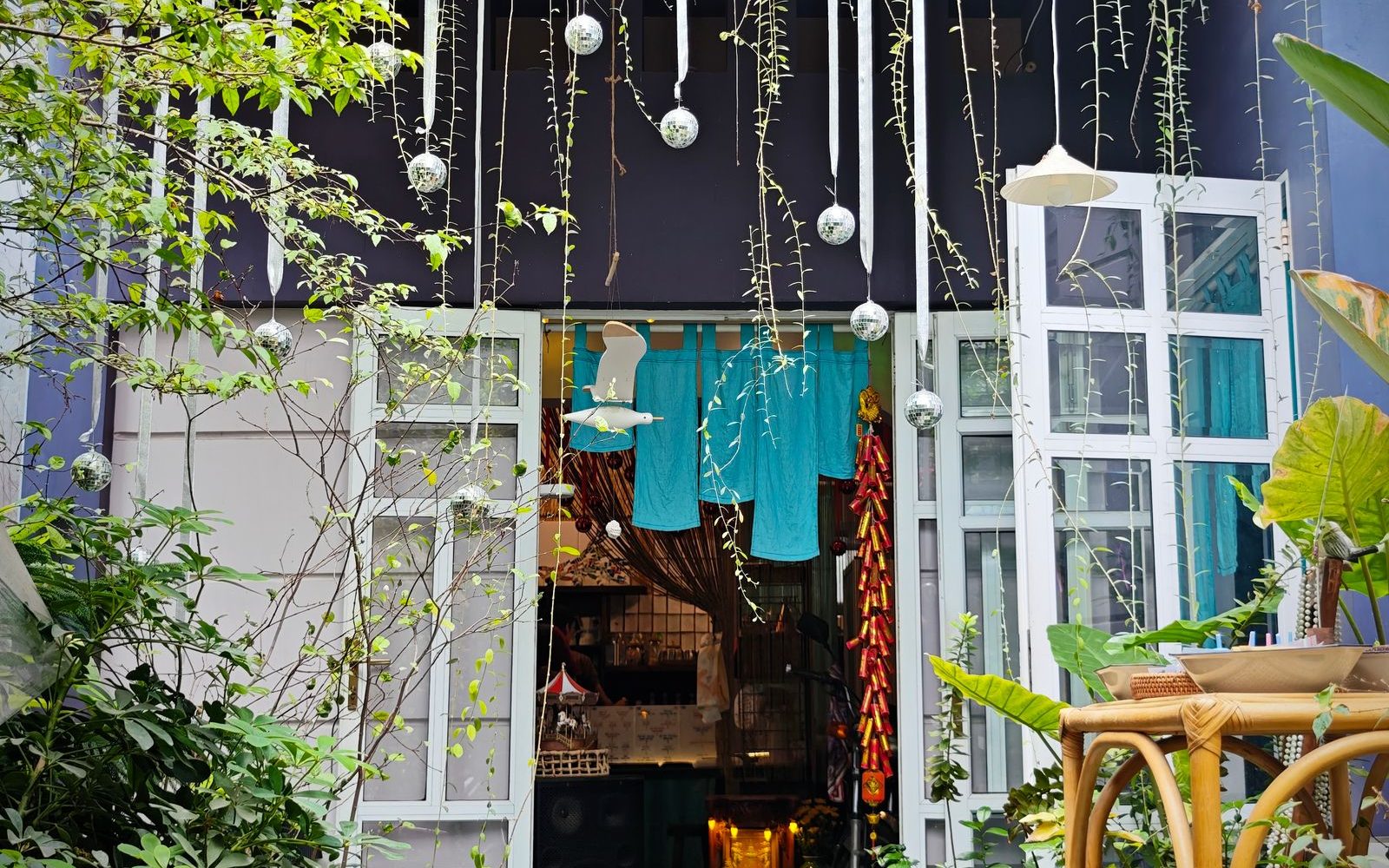
Thảo Điền feels like a different city from downtown. The streets are leafier, the pace slower, and the food more international, a legacy of the large expat community that settled here. It is where you come for a long brunch, a garden coffee or a riverside cocktail rather than monuments and museums.
That makes it a perfect change of gear on a longer trip: a half or full day of eating, wandering and people-watching, with none of the downtown rush. It suits younger travellers, families and anyone who wants to see how Saigon's international set actually lives.
The signature loop: metro out, water bus home
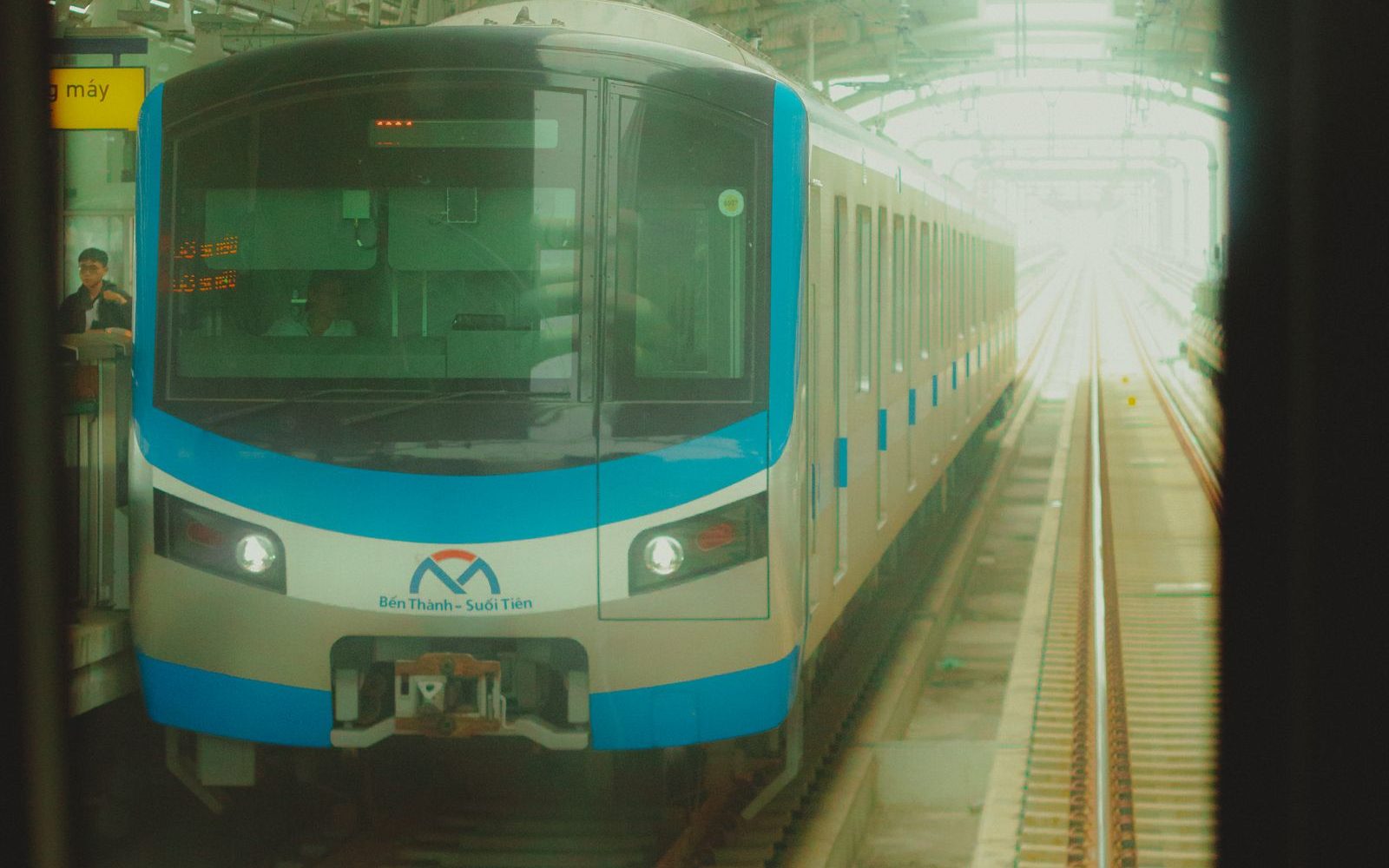
The single best way to visit turns the journey into half the fun. Start in District 1 and ride Metro Line 1 east from the Ba Son or Opera House stations. In about twenty minutes you reach Thảo Điền station, roughly 500 metres from the main café streets, an easy walk or a very short ride.
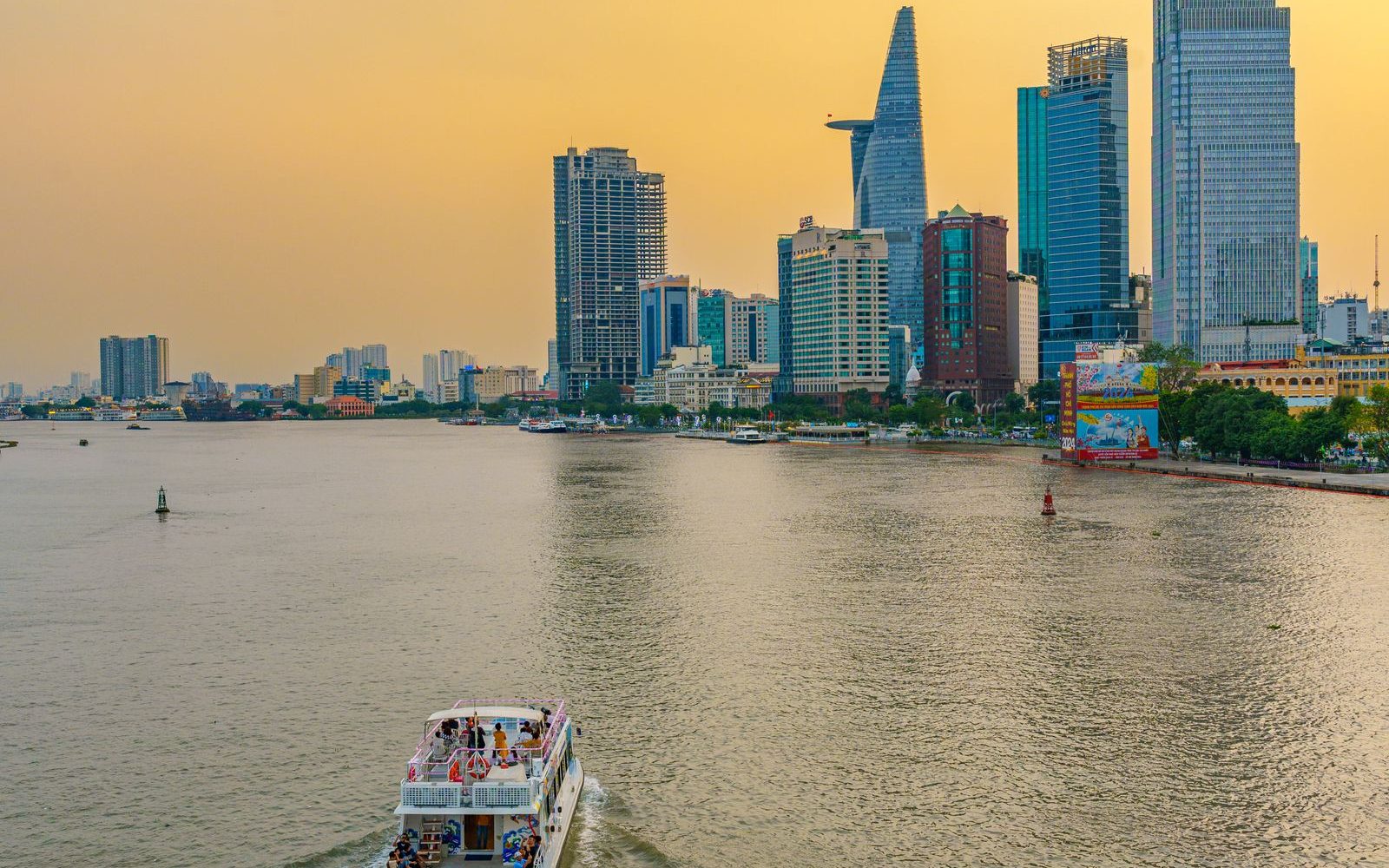
Spend the day there, then time your return for late afternoon. Make your way to a water bus wharf serving Thảo Điền (the Thảo Điền or Bình An pier is a short ride from the café streets), and ride the boat back downtown to Bạch Đằng as the light turns gold and the skyline lights up. It is the same reborn riverfront we cover in our Saigon riverfront guide, and the full boat details are in our water bus guide. Metro out, water bus home: two ordinary journeys turned into the nicest loop in the city.
Where to eat and drink in Thảo Điền
Eating is the main event here. Thảo Điền has more than eighty cafés, roughly one every fifty metres on some streets, plus a dining scene that runs from wood-fired pizza to Michelin Guide tables. A few anchors worth knowing:
- Pizza 4P's, the home-grown Japanese-Italian pizzeria with house-made cheese, a local institution.
- Pendolasco, an Italian favourite in the neighborhood since 1998.
- La Villa, refined French dining in a villa with a pool terrace, for a special lunch.
- XLIII Specialty Coffee and dozens of other serious cafés for a filter coffee with fast wifi.
Thảo Điền also holds several Michelin Guide restaurants, so it is a genuine dining destination, not just a coffee stop. Come hungry and let the day unfold around two or three meals.
Shopping and other things to do
Beyond eating, Thảo Điền has easy, pleasant ways to fill an afternoon. The Vincom Mega Mall, a modern complex of nearly 90,000 square metres, gathers international and Vietnamese brands, a supermarket, cinemas and a food court, all air-conditioned for the hottest part of the day. The neighborhood is also good for slow browsing: small boutiques, design shops, bookshops and riverside bars reward an unplanned wander.
Because Thảo Điền is compact and walkable, the best plan is often no plan: pick a street, follow the cafés, and drift toward the river in time for the boat.
Getting there and around
Metro Line 1 is the easiest and most scenic way out, dropping you at Thảo Điền station about 500 metres from the heart of the neighborhood. Ride-hailing cars from Grab, Be or Xanh SM are the simplest door-to-door option and are cheap for the short hops between cafés and the wharf. Within Thảo Điền itself, walking is genuinely pleasant thanks to the shade and the quieter streets.
Practical tips
- Go out in the morning, come back at sunset, so you catch the golden-hour boat on the way home.
- Carry some cash for cafés, market stalls and the water bus, even though cards are widely accepted at restaurants.
- Time the boat. Check the last water bus sailing before you settle in for a long lunch, especially on weekdays when service ends earlier.
- Names on maps. Thảo Điền is now part of An Khánh ward, but locals, signs and apps still use the name Thảo Điền.
Frequently asked questions
How do I get to Thảo Điền from District 1?
What is the best way to do a Thảo Điền day trip?
What is Thảo Điền known for?
Where should I eat in Thảo Điền?
Is Thảo Điền worth visiting for tourists?
Is Thảo Điền the same as An Khánh ward?
Start your loop from the centre of District 1
The Myst Đồng Khởi is a 108-room boutique heritage hotel in the heart of District 1, a short walk from the metro and the Bạch Đằng wharf where the water bus returns. Inducted into the Michelin Guide Hotels and Stays selection and named 2025 World Luxury Hotel Awards Country Winner for Vietnam, it is the ideal base for a metro-out, water-bus-home day in Thảo Điền.
→ Book direct for our best rate
Crafted by Silverland Hotels.
Blog
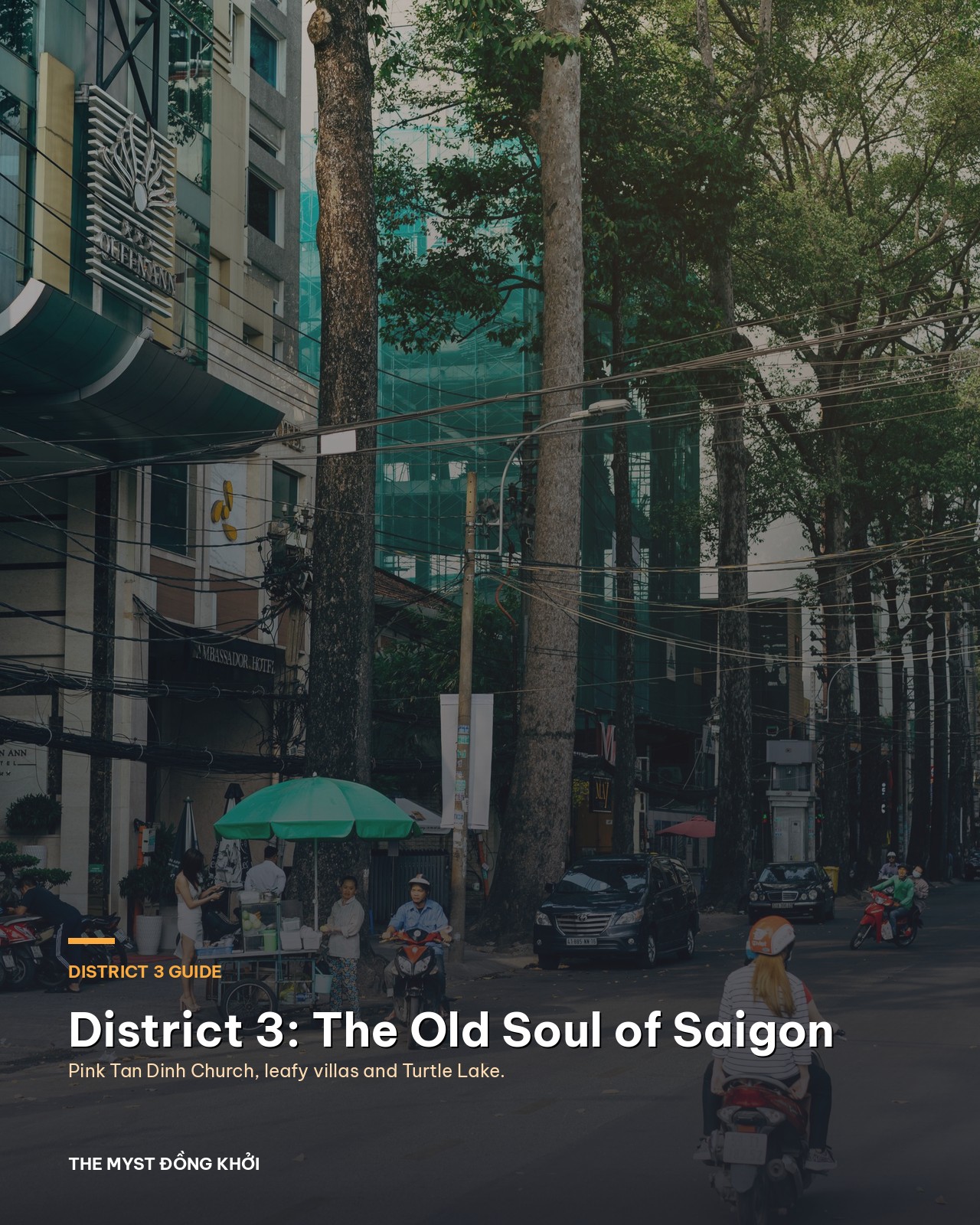
If District 1 is Saigon's polished centre, District 3 is its old soul. Right next door, and walkable from much of the centre, it trades skyscrapers for tree-lined streets, French colonial villas and hidden cafés, with some of the best street food in the city hidden among them. This is the neighborhood for travellers who want a more local, lived-in Saigon: a pink cathedral, a lake ringed with snack stalls, a sobering war museum and a food street that only wakes up after dark. Here is what to see, where to eat, and how to spend a half-day.
At a glance. District 3 borders District 1 to the west and is partly walkable from the centre, established as a district in 1920. Highlights: the pink Tân Định Church (built 1876), Turtle Lake, the Nguyễn Thượng Hiền food street (evenings, about 6 to 10pm) and the War Remnants Museum. Best enjoyed as a late-afternoon-into-evening wander.
District 3 Saigon Guide
Why visit District 3
District 3 is where Saigon's older character still lingers. Wide, shaded streets are lined with French-era villas and quiet cafés, and daily life spills onto the pavements in a way that feels more local than the tourist-heavy centre. It is close enough to walk into from District 1, yet different enough in mood to feel like a proper change of scene.
Come here to slow down: to photograph colonial architecture, linger over coffee, visit a serious museum, and eat street food where locals actually eat. It rewards wandering more than ticking off sights.
Turtle Lake, the evening hangout
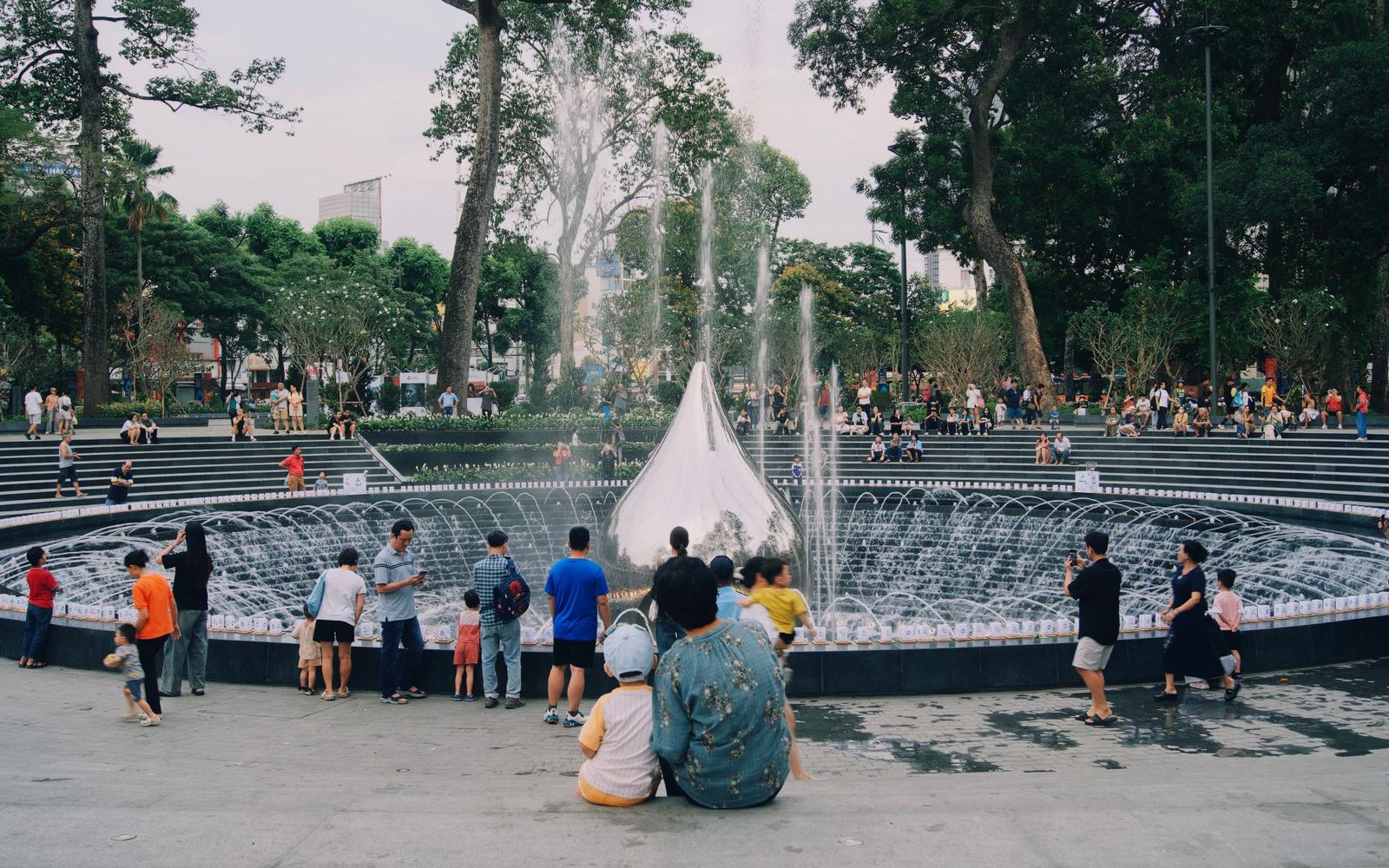
The social heart of District 3 is Turtle Lake, an octagonal fountain and roundabout ringed by tall trees and, after dark, by street-food carts. Officially named Công trường Quốc tế, it is where young Saigonese gather in the evenings, sitting on the low walls with snacks and iced tea. It is free, always lively, and a good place to start or end an evening in the district.
The Pink Church and colonial architecture
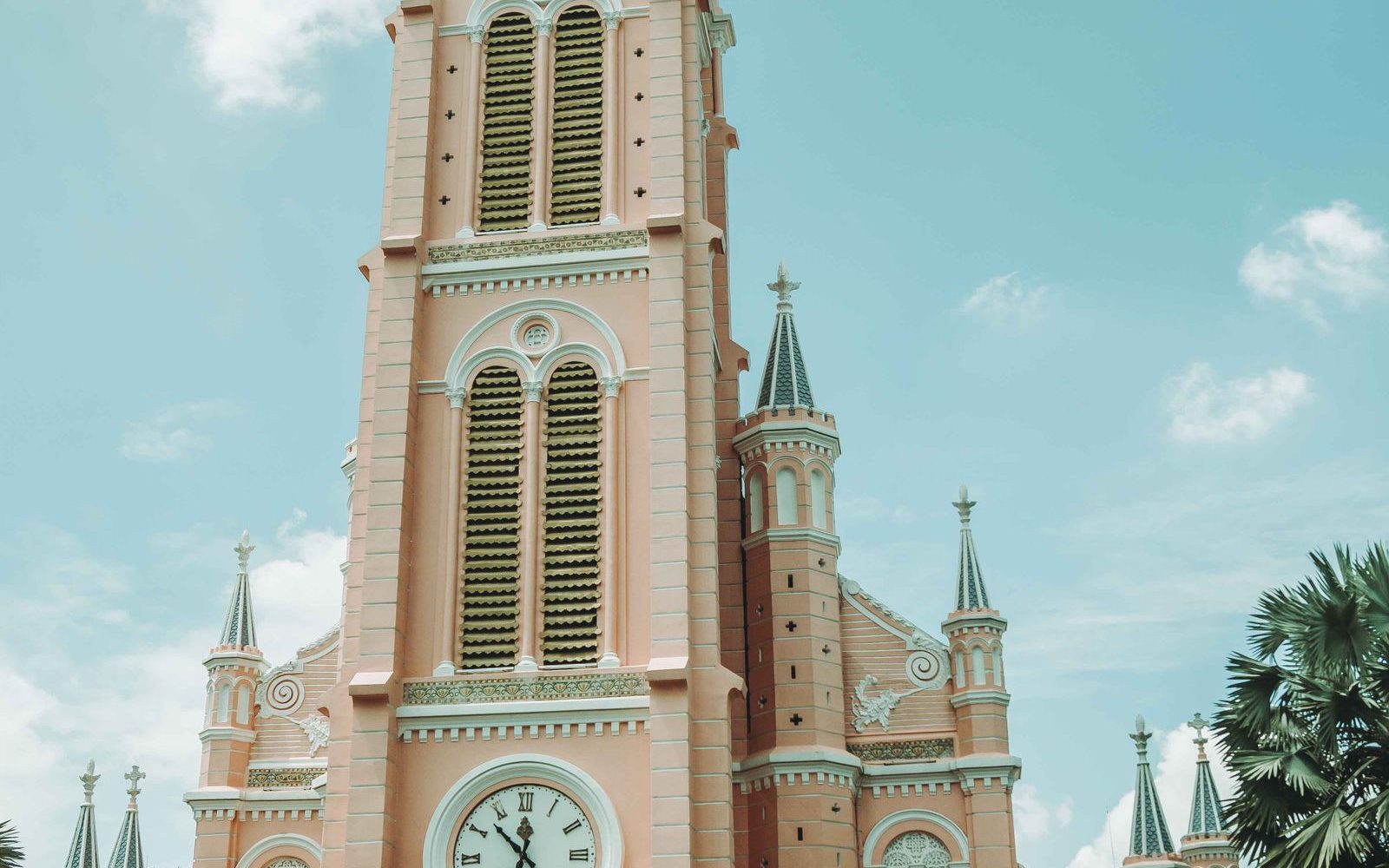
District 3's most photographed landmark is the Tân Định Church, universally known as the Pink Church. Built in 1876, it blends Gothic lines with Romanesque details, all finished in a striking candy pink that makes it one of the most distinctive buildings in the city. It remains a working church, so visit respectfully and time photos around service hours.
The Pink Church is only the headline. The wider district is full of French colonial villas and shophouses, best appreciated on a slow walk, and near the church the Tân Định Market offers a more local, less touristy market experience than Bến Thành.
Street food: the Nguyễn Thượng Hiền food street
After dark, head to Nguyễn Thượng Hiền, District 3's famous food street. From around six in the evening until late, it fills with stalls specialising in snails and seafood, the beloved Vietnamese ritual of ốc: sea snails and shellfish cooked a dozen ways, eaten on small stools with friends and cold drinks. It is inexpensive, social and quintessentially Saigon.
Beyond the snail street, District 3 is dense with local eateries serving phở, bún and rice plates, so you are never far from a good, cheap meal at any hour.
History: the War Remnants Museum
For a different, essential side of the district, the War Remnants Museum documents the impact of the wars on Vietnam from 1954 to 1975 through photographs, artifacts and outdoor military displays. It is sobering and confronting rather than a light stop, and it gives crucial context to modern Vietnam. Allow an hour or two, and go earlier in the day before an evening of lighter wandering.
How to get there and a half-day plan
District 3 borders District 1, so from the centre it is a short ride-hailing trip or, from the eastern edge, a walk. A simple plan: start in the late afternoon at the War Remnants Museum, walk or ride to the Pink Church for photos, then settle at Turtle Lake as the food carts appear, and finish with snails on Nguyễn Thượng Hiền. It pairs well with the rest of our Saigon neighborhoods guide and the District 1 walking routes next door.
Frequently asked questions
What is District 3 in Saigon known for?
How do I get to District 3 from District 1?
What is the Pink Church and can I visit?
Where is the best street food in District 3?
Is the War Remnants Museum worth visiting?
How long should I spend in District 3?
Steps from the old soul of Saigon
The Myst Đồng Khởi is a 108-room boutique heritage hotel in District 1, a short walk or ride from District 3 and its villas, cafés and food streets. Inducted into the Michelin Guide Hotels and Stays selection and named 2025 World Luxury Hotel Awards Country Winner for Vietnam, it is a calm, central base for exploring the older side of the city.
→ Book direct for our best rate
Crafted by Silverland Hotels.
Blog
Will there be a Metro to Long Thanh Airport? It is the question every traveller ends up asking, and the answer is yes, in time. Several rail and metro lines are planned to link the new airport with central Ho Chi Minh City, aiming for a run of around thirty minutes into the centre. None of them is running yet. This guide is about that rail future: the lines on the drawing board, how far along they are, and when you can realistically expect to ride one. For the airport itself, its opening and how to reach it by road, see our Long Thanh airport guide and transfer guide.
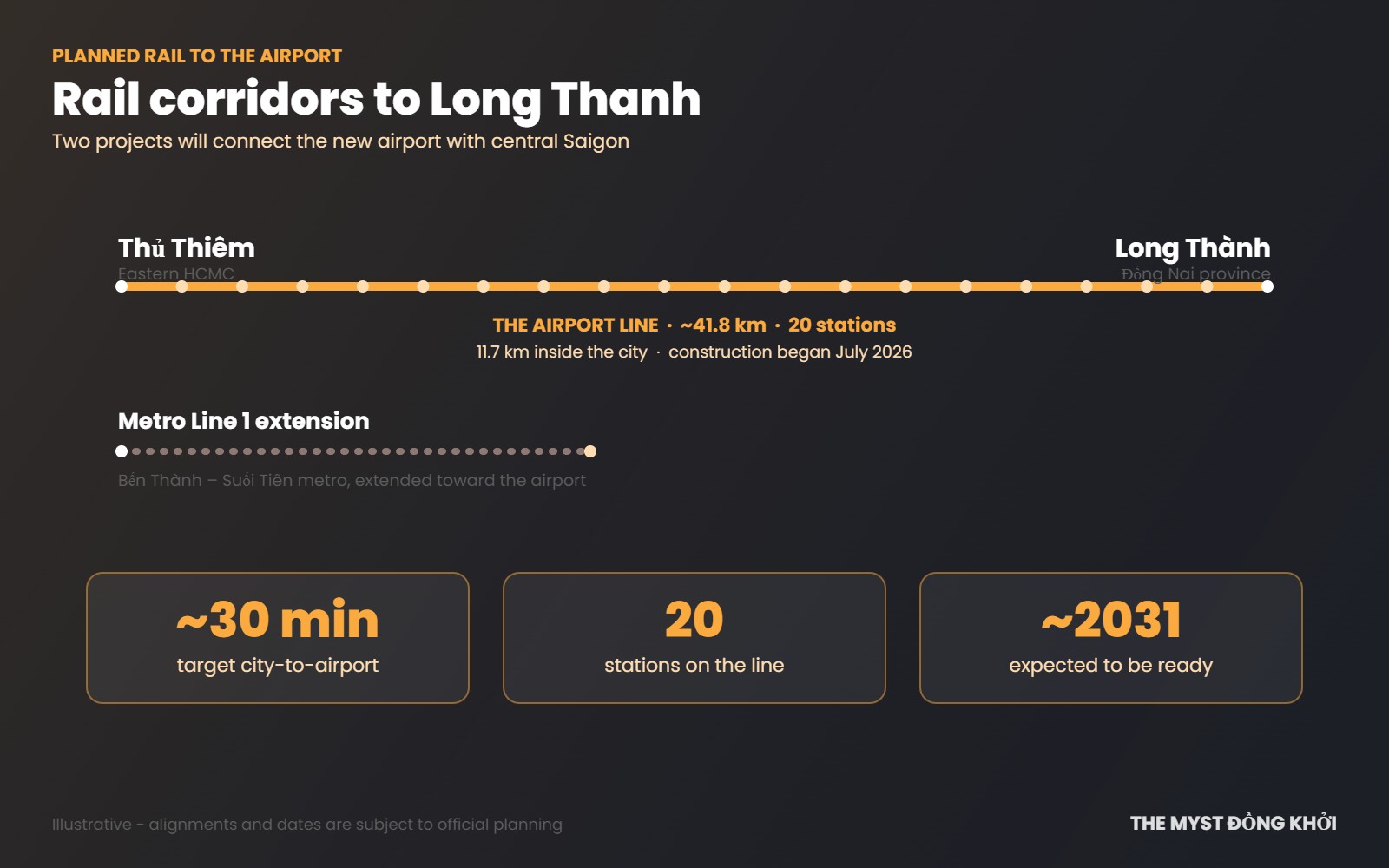
At a glance. No rail link to Long Thanh Airport is running yet. Two projects will connect it: the Thủ Thiêm to Long Thanh line, a purpose-built airport line of about 41.8 kilometres with 20 stations, which broke ground in July 2026, and a planned eastward extension of Metro Line 1 toward Đồng Nai. The goal is roughly thirty minutes between the central Bến Thành area and the airport. Completion is targeted around 2031. Until then, the airport is reached by road.
Metro to Long Thanh Airport: All you need to know
Why the airport needs a rail link
Long Thanh sits well east of the city, in Đồng Nai province, far enough that the road transfer runs over an hour in normal traffic. That distance is exactly why a fast, fixed-time rail connection matters so much: as Long Thanh takes on more of the long-haul international flights that once used Tân Sơn Nhất, the number of travellers making that trip will only grow. A train removes the traffic uncertainty from the equation. For the precise distance, opening timeline and the road options available today, our airport guide is the place to look; this article stays with the rail plans.
The rail lines planned to reach Long Thanh
There is not one project but several, and together they explain why the airport is expected to feel much closer within a few years. Ho Chi Minh City is building out a wider urban rail network, described in the Ho Chi Minh City Metro plans, and the Long Thanh links are a headline part of it.
The Thủ Thiêm to Long Thanh line. This is the airport line proper, and the one most travellers will eventually use. It runs about 41.8 kilometres with 20 stations, from Thủ Thiêm on the eastern side of Ho Chi Minh City out to Long Thanh, with 11.7 kilometres inside the city and the rest through Đồng Nai province. Construction began in July 2026. Because Thủ Thiêm is itself being knitted into the city's rail network, with a short Bến Thành to Thủ Thiêm section of its own under way, this line ties the airport into the centre rather than leaving it stranded on the eastern edge.
An extension of Metro Line 1. The existing Bến Thành to Suối Tiên metro, the city's first line, is planned to be extended eastward toward Đồng Nai and the airport. Building on a line that already runs gives this option a head start, and it would let travellers connect to Long Thanh from the same network they use for Thảo Điền and the eastern suburbs.
The goal: about thirty minutes to the centre
The stated target across these projects is a trip of around thirty minutes between the central Bến Thành area and Long Thanh, once the network is complete. That would be a dramatic change from the current road transfer, and roughly in line with the kind of airport-to-centre rail times travellers know from other regional hubs. As with any target, treat the thirty-minute figure as an aim rather than a promise until the lines actually open.
When will the rail be ready?
Not before the end of the decade. The Thủ Thiêm to Long Thanh line broke ground in July 2026 and is targeted for completion around 2031, with the Metro Line 1 extension still working through its approvals. Timelines on infrastructure of this scale routinely shift, so if rail access matters to your trip, the sensible move is to check the latest locally as your travel dates approach, rather than assuming a particular line will be running.
Getting to Long Thanh until the rail opens
For every trip in the next few years, plan around the road rather than the train. A private car or an arranged transfer along the expressway is the comfortable choice, especially with luggage after a long flight. We compare all the current options, with real prices and journey times, in our Long Thanh to District 1 transfer guide.
What it means for your trip
In the long run, the rail network will make Long Thanh one of the better-connected airports in the region, with a fast, fixed-price ride into the centre. For now, though, it remains a plan under construction, so it should not change how you travel or where you stay just yet. Base yourself centrally, arrange a transfer for arrival and departure, and keep an eye on the rail progress for future visits.
Frequently asked questions
Is there a metro or train to Long Thanh Airport yet?
What rail lines are planned to connect Long Thanh with the city?
How long will the train take from the city to Long Thanh?
When will the Long Thanh rail link be ready?
How do I get to Long Thanh until the train opens?
A central base whichever airport you land at
The Myst Đồng Khởi is a 108-room boutique heritage hotel in the heart of District 1, an easy point to reach from both airports. Inducted into the Michelin Guide Hotels and Stays selection and named 2025 World Luxury Hotel Awards Country Winner for Vietnam, its reservations team takes airport transfer requests and coordinates a private car so your arrival from Long Thanh or Tân Sơn Nhất is smooth from the moment you land.
→ Book direct for our best rate
Crafted by Silverland Hotels.
Blog
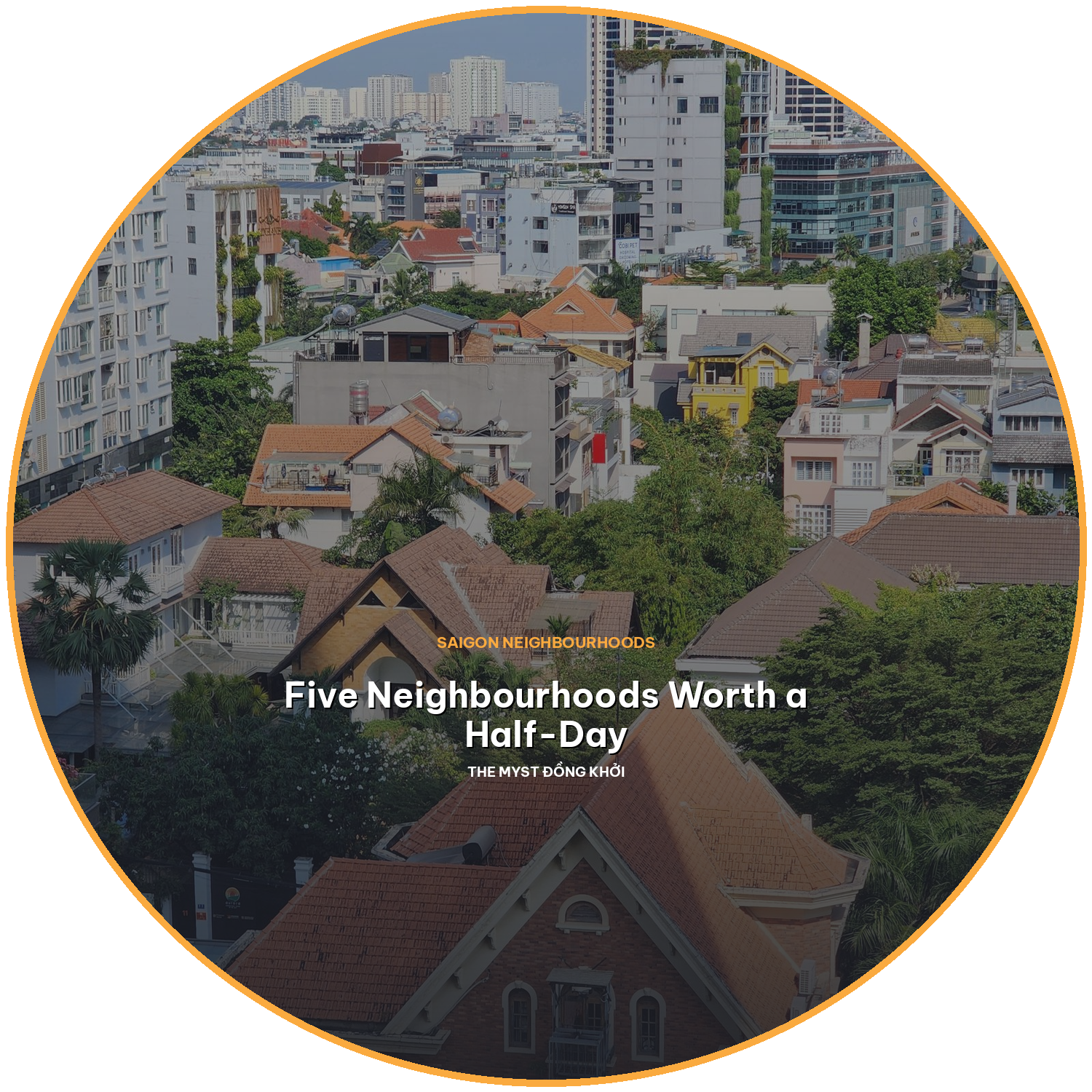
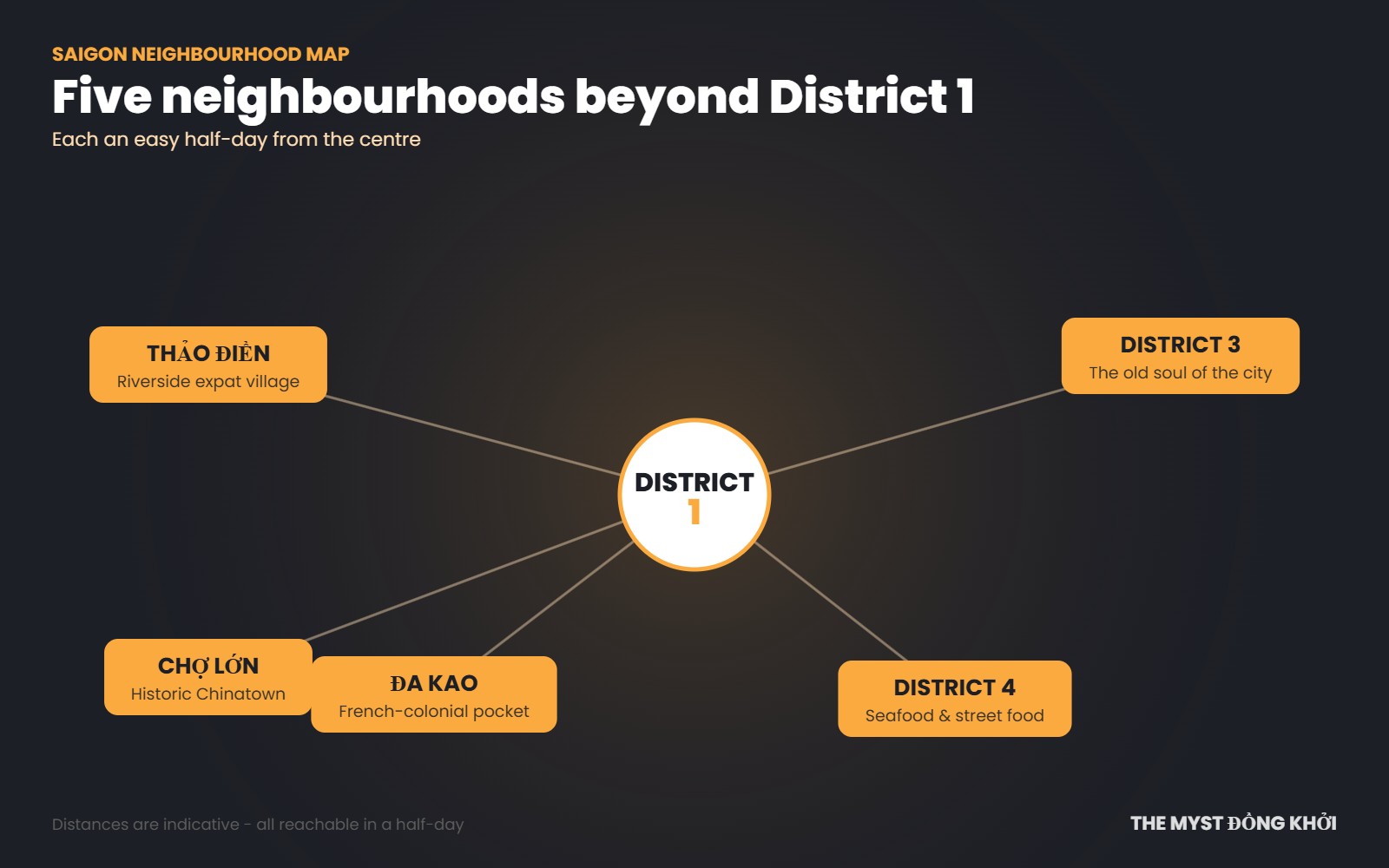
District 1 is where most visitors sleep, eat and sightsee, and for a first trip that is exactly right. But Ho Chi Minh City rewards anyone who steps a little further out. Within twenty minutes of the centre you can trade the downtown grid for a riverside expat village, a leafy district of French villas, a smoky seafood street, or the temples and markets of the largest Chinatown in the country. This guide sets out five neighborhoods beyond District 1, what each is like, how to reach it, and which traveller it suits, so you can pick the half-day that fits your trip.
The five in brief. Thảo Điền: riverside expat village, best by metro and water bus. District 3: old Saigon of villas and street food, walkable from the centre. District 4: seafood and street food after dark. Chợ Lớn (Cholon): the historic Chinatown of temples and markets. Đa Kao: a quiet French-colonial pocket on the edge of District 1. All are within about twenty minutes of downtown.
Saigon Neighborhoods Guide
How to think about Saigon's neighborhoods
Keep District 1 as your base and treat each neighborhood as a half-day trip built around a meal or a mood. The city is easy to move around once you know the three tools: ride-hailing apps like Grab, Be and Xanh SM for door-to-door trips; Metro Line 1 for a fast run east toward Thảo Điền and Thủ Đức; and the water bus for a slow, scenic return along the river.
Distances are short but traffic is real, so plan by time of day rather than kilometres. Mornings suit temples and markets, late afternoons suit riverside areas and food streets, and evenings belong to District 3 and District 4. Mix and match, and you can see a very different Saigon each day without ever moving hotel.
Thảo Điền: the riverside expat village
Thảo Điền, on the eastern bank in Thủ Đức, is the city's international enclave: leafy streets, garden cafés, brunch spots and a slower, greener pace than downtown. It has grown up around a strong expat community, and today holds everything from Michelin Guide dining to some of the more than eighty cafés that line its lanes.
The clever way to visit is a loop: ride Metro Line 1 out to Thảo Điền station, spend the afternoon eating and wandering, then make your way to the river and float back downtown by water bus at sunset. Our Thảo Điền day-trip guide maps the whole thing. Best for: younger travellers, families and anyone who likes a relaxed, international pace.
District 3: the old soul of Saigon
Just west of District 1, and walkable from much of it, District 3 keeps the city's old character: tree-lined streets, French colonial villas and hidden cafés, mixed with some of the best street food in town. Its landmarks include the striking pink Tân Định Church, built in 1876, the octagonal Turtle Lake, a favourite evening hangout, and the War Remnants Museum for a sober, essential piece of history.
Come at night for Nguyễn Thượng Hiền, a food street famous for snails and seafood, buzzing from around six until late. District 3 has a more local, lived-in feel than District 1, which is exactly its appeal. Our District 3 guide covers it in detail. Best for: couples, culture lovers and slow wanderers.
District 4: seafood and street food after dark
Small, dense and just across a bridge from District 1, District 4 is an old port neighborhood that has become one of the city's great foodie corners. Its heart is Vĩnh Khánh, a seafood street that fires up its charcoal grills at dusk and fills with young locals eating snails, grilled scallops and clams on tiny plastic stools.
Nearby, the Xóm Chiếu market and its evening alleys hold hundreds of street-food stalls for those who want to eat like a local for very little. It is a five-minute hop over the Ông Lãnh bridge from District 1, best after dark. Our District 4 food guide has the details. Best for: foodies and night owls.
Chợ Lớn: the historic Chinatown
Around four to six kilometres west, Chợ Lớn is the largest Chinatown in Vietnam, spread mainly across District 5. It is a dense, aromatic world of Chinese temples, covered markets and Cantonese-Vietnamese food, layered over centuries of heritage. The classic route starts at the vast Bình Tây Market and walks toward the Bà Thiên Hậu Temple, dedicated to the sea goddess Mazu, with the herbal-medicine street of Hải Thượng Lãn Ông and the historic Cha Tâm Church nearby.
Give it a morning or a full day, and wander the in-between lanes as much as the landmarks. Our Cholon guide lays out a walking route. Best for: heritage travellers and anyone who loves a market.
Đa Kao: a French-colonial pocket on the edge of District 1
If you would rather not go far, Đa Kao sits on the northern edge of District 1, between the centre and Bình Thạnh. It is a quiet grid of colonial-era buildings, consulates and an unusually high concentration of good restaurants and bars, easy to fold into a walk from the centre. It makes a gentle half-day for travellers who want something a little different without a journey, and pairs naturally with our self-guided District 1 walks.
Which neighborhood suits your trip
- Riverside and relaxed: Thảo Điền, best as a metro-and-water-bus loop.
- History and architecture: District 3, with the Pink Church, Turtle Lake and the War Remnants Museum.
- Street food and nightlife: District 4, for Vĩnh Khánh seafood and the Xóm Chiếu alleys.
- Heritage and markets: Chợ Lớn, for Bình Tây Market and the temples of Chinatown.
- Close and easy: Đa Kao, a colonial pocket within walking distance of the centre.
Getting around and timing
Use ride-hailing apps for anywhere a taxi makes sense, keep some cash for markets and food streets, and let the time of day guide you: temples and markets in the morning, riverside and food streets in the late afternoon and evening. For the eastern neighborhoods, the metro and water bus turn the journey itself into part of the fun, as we describe in our Saigon riverfront guide.
Frequently asked questions
What are the best neighborhoods to visit in Ho Chi Minh City beyond District 1?
How do I get from District 1 to Thảo Điền?
Which Saigon neighborhood is best for street food?
Is Cholon worth visiting, and how long should I spend?
How far are these neighborhoods from District 1?
Can I combine more than one neighborhood in a day?
A central base for exploring every side of Saigon
The Myst Đồng Khởi is a 108-room boutique heritage hotel in the heart of District 1, within walking distance of the river, the metro and the Nguyễn Huệ pedestrian street. Inducted into the Michelin Guide Hotels and Stays selection and named 2025 World Luxury Hotel Awards Country Winner for Vietnam, it is an easy launch point for a different neighborhood every day.
→ Book direct for our best rate
Crafted by Silverland Hotels.